Birdwatching in Salmon Arm, BC
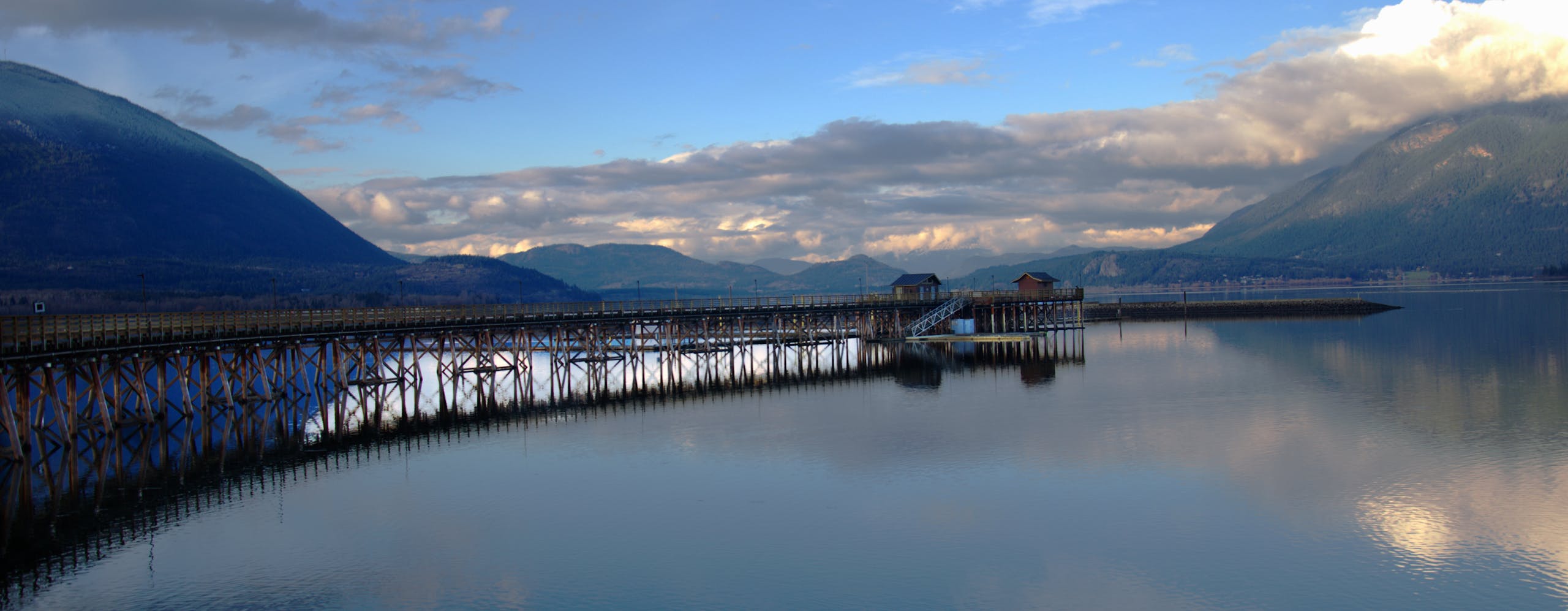
Birdwatching in Salmon Arm is one of British Columbia’s premier birdwatching destinations. The City of Salmon Arm makes a wonderful home base while exploring. Wetlands, forests, farmland, and lakeshore habitats combine to produce exceptional year-round diversity. We spent much of our time around Salmon Arm Bay, where the shallow estuary of the Salmon River creates ideal habitat for waterbirds and migrants. The bay is especially famous for its Western Grebes, whose synchronized courtship dances turn the calm waters into one of the province’s iconic birding spectacles. One of the best ways to experience this remarkable wetland is by walking the Eric Christmas Memorial Nature Boardwalk, which extends through marsh habitat and offers excellent views of grebes, ducks, marsh birds, and seasonal migrants. At the far end of the boardwalk lies Christmas Island, a peaceful natural area with trails and viewing opportunities that immerse visitors in the heart of the estuary. Clark’s Grebes, Ospreys, Bald Eagles, and large gatherings of migrating shorebirds also use the marshes and mudflats throughout spring and summer. The wetlands consistently rank among the richest eBird hotspots in interior British Columbia.

Summer Birding
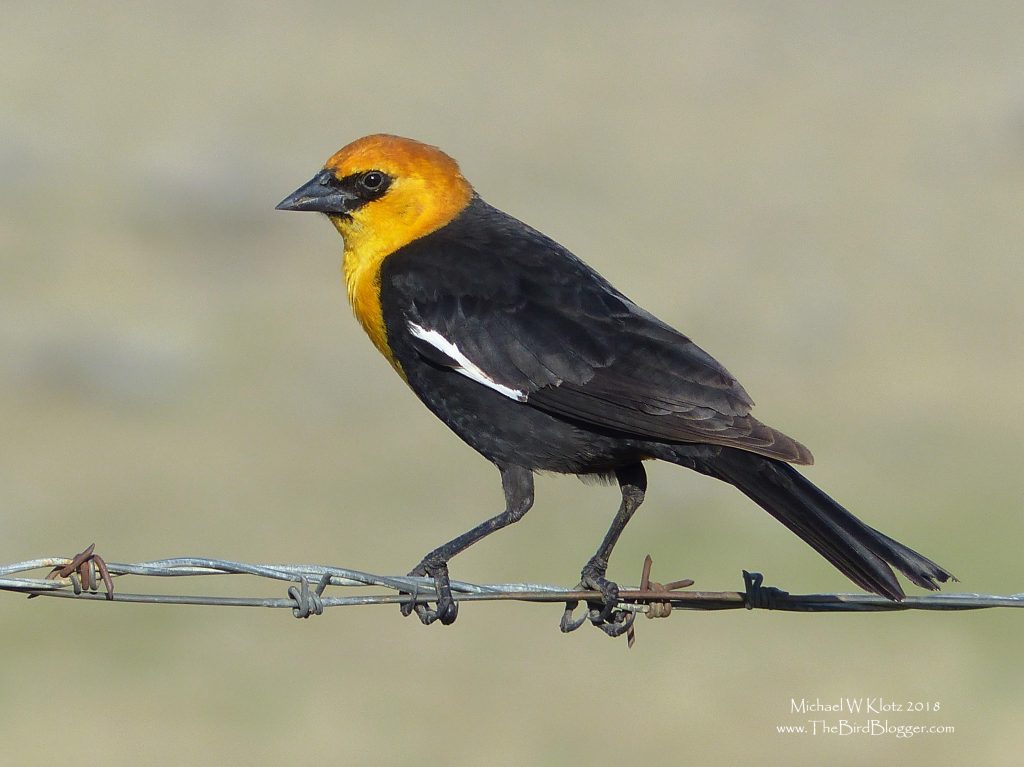
Summer birding around Salmon Arm offered far more than grebes alone. Some of the area’s most sought-after species included Vaux’s Swift, Clark’s Grebe, Veery, and California Quail. all of these birds appeared locally but often required careful timing and habitat selection. Vaux’s Swifts moved overhead during warm evenings near forest edges and lakeshore corridors, while Veery favored dense riparian thickets around creeks and wet woodlands. California Quail were regularly encountered in brushy farmland and dry grassy edges near Canoe, Blind Bay, and Silver Creek. Along the Raven Trail, the wetlands surrounding Christmas Island, and the Eric Christmas Memorial Nature Boardwalk, we also found Cinnamon Teal, Yellow-headed Blackbirds, Sora, and migrating sandpipers feeding throughout the estuary. The boardwalk is especially rewarding in early morning when marsh birds are most active, while Christmas Island’s trails offer a quieter experience with excellent opportunities to observe both wetland and woodland species. The Salmon Arm Wharf is another excellent location for scanning the bay, providing sweeping views of waterbirds and grebes on the open water.
Winter birding
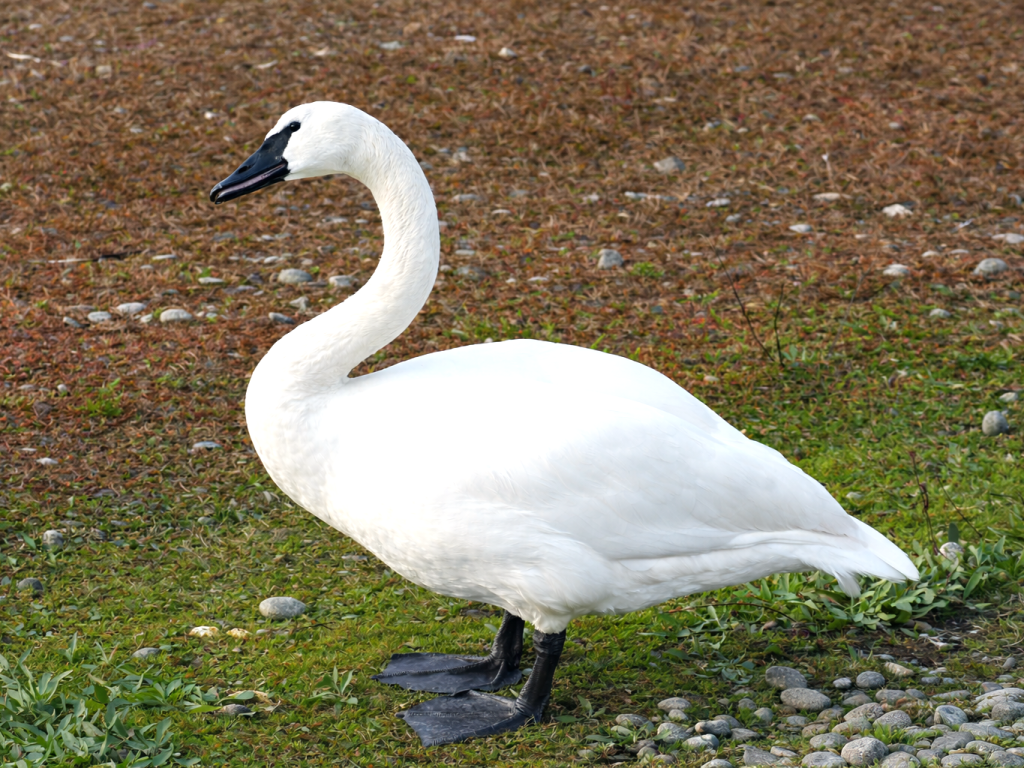
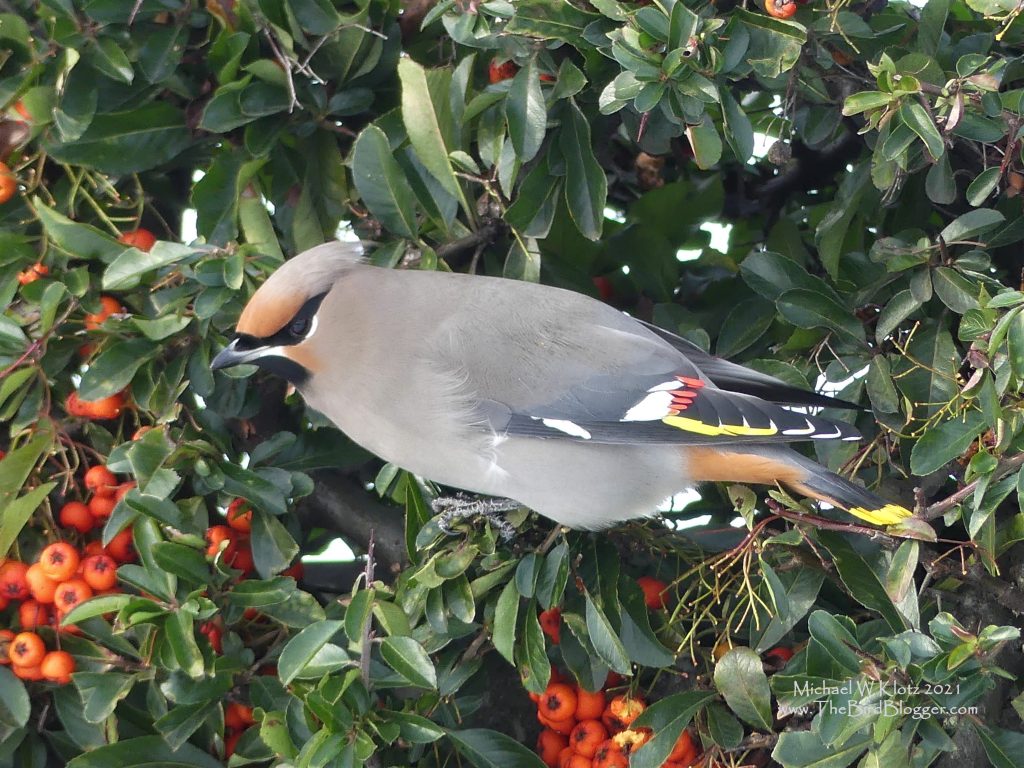
Winter transformed the Shuswap into a quieter but equally rewarding birding region. Trumpeter Swans gathered on open water, while Bald Eagles became increasingly common along the lakeshore and river systems. Marine Peace Park, the Salmon Arm Wharf, and the Salmon River mouth remained productive during colder months, especially for wintering ducks, grebes, and gulls. A special treat in some winters is encountering flocks of Bohemian Waxwings feeding on berry-laden trees. Forested areas around Little Mountain Park added American Three-toed Woodpeckers, Common Redpolls, Red-breasted Nuthatches, and occasional Snow Bunting. During milder winters, Western Grebes and other diving birds continued using sections of open water throughout Salmon Arm Bay, creating unusual cold-season viewing opportunities for interior British Columbia.
Birding around Salmon Arm
The most productive birding hotspots extended just beyond Salmon Arm itself. From Blind Bay east to Sicamous, birders regularly explored shoreline access points, marshes, and lakeside parks that consistently generated strong eBird activity. Blind Bay produced Greater Nighhawks, Veery, Nashville Warbler. Further east, Sicamous and the Mara Lake corridor attracted Gray Catbird, American Redstart, Ruffed Grouse, and migrating waterbirds moving between the lake systems. South of town, Silver Creek offered productive farmland and riparian habitat for sparrows, blackbirds, and quail, while Enderby and nearby Grindrod added river-edge birding along the Shuswap River corridor. Herald Provincial Park, Sunnybrae, Pierre’s Point, the Raven Trail, the Eric Christmas Memorial Nature Boardwalk, and Christmas Island consistently rank among the strongest local hotspots thanks to their mix of marsh, forest, and shoreline habitat. Together, these sites showcase the diversity of the Salmon Arm Bay wetlands and help create one of the most complete inland birding circuits in British Columbia.
The strength of birdwatching in Salmon Arm also came from the local organizations that helped support conservation, tourism, and community education throughout the Shuswap region. The Salmon Arm Chamber of Commerce and Travel Salmon Arm continues promoting the area as one of British Columbia’s leading outdoor destinations, helping visitors discover the wetlands, trails, and lakeshore habitats that made the region so productive for birding. The Shuswap Naturalist Club plays an equally important role by organizing field trips, bird counts, educational programs, and habitat awareness projects that connected both residents and visitors to local wildlife. Together, these groups helped maintain Salmon Arm’s reputation as a welcoming destination for birders exploring the rich ecosystems of the Shuswap Valley.
Happy Birding!!