Birding on Vancouver’s North Shore: 5 Best Mountain Birding Spots
Vancouver’s north shore is one of the most rewarding mountain birding regions in British Columbia. Thanks to its coastal rainforest, mountain streams, subalpine forests and varied elevations, birders can experience a wide range of species within a short distance of Vancouver.
Whether you’re visiting or local, these five Vancouver North Shore birding hotspots are worth exploring.
10 Birds to Look For on Vancouver’s North Shore
In no particular order:
- Western Tanager
- American Dipper
- Varied Thrush
- Sooty Grouse
- Chestnut-backed Chickadee
- Black Swift
- Pacific Wren
- Olive-sided Flycatcher
- Northern Pygmy-Owl
- Vaux’s Swift


Why Vancouver’s North Shore Is One of British Columbia’s Best Mountain Birding Destinations
- Easy access to coastal rainforest and subalpine habitat
- Mountain streams provide specialized habitat
- Excellent opportunities for western forest birds
- Different elevations can be explored in one day
You can search for American Dippers beside a rushing mountain river in the morning and listen for Sooty Grouse in the mountains by afternoon — all within North Vancouver.
1. Cypress Mountain
Subalpine Forest and Mountain Birds
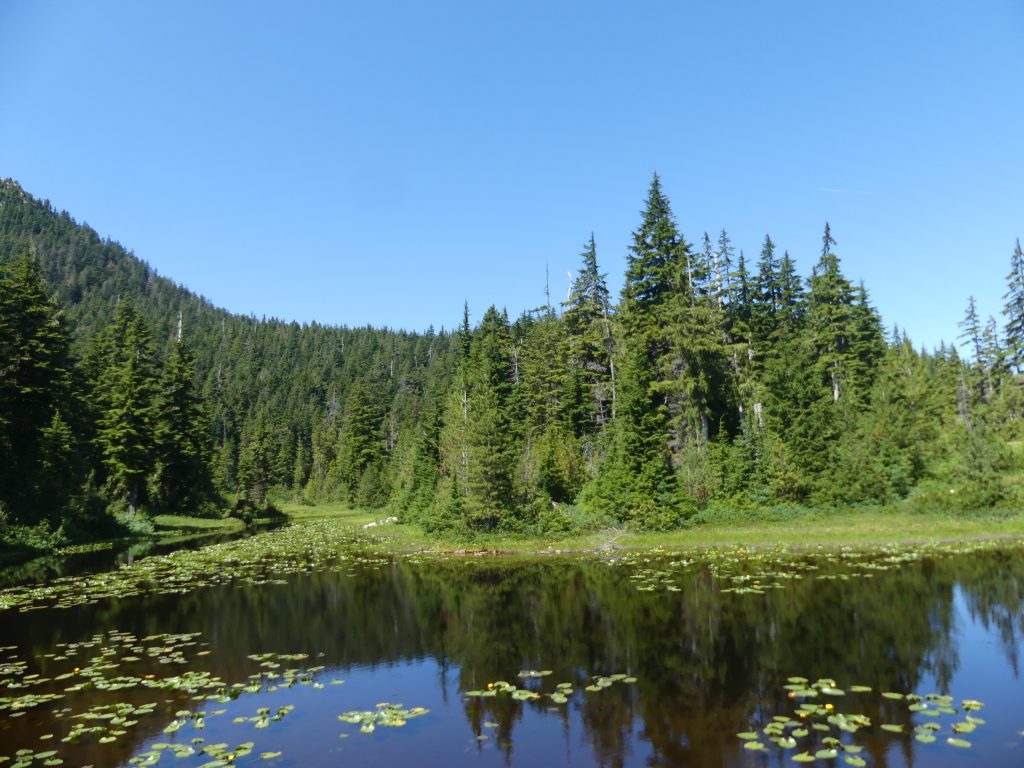
Cypress Mountain is one of the best places for higher-elevation birding near Vancouver. Mature coastal forest gradually gives way to more open subalpine habitat as you travel higher up the mountain. There are great amenities in the lodge including heated bathrooms and a pub for a great lunch.
What You’ll See
- Olive-sided Flycatcher
- Pacific Wren
- Varied Thrush
- Chestnut-backed Chickadee
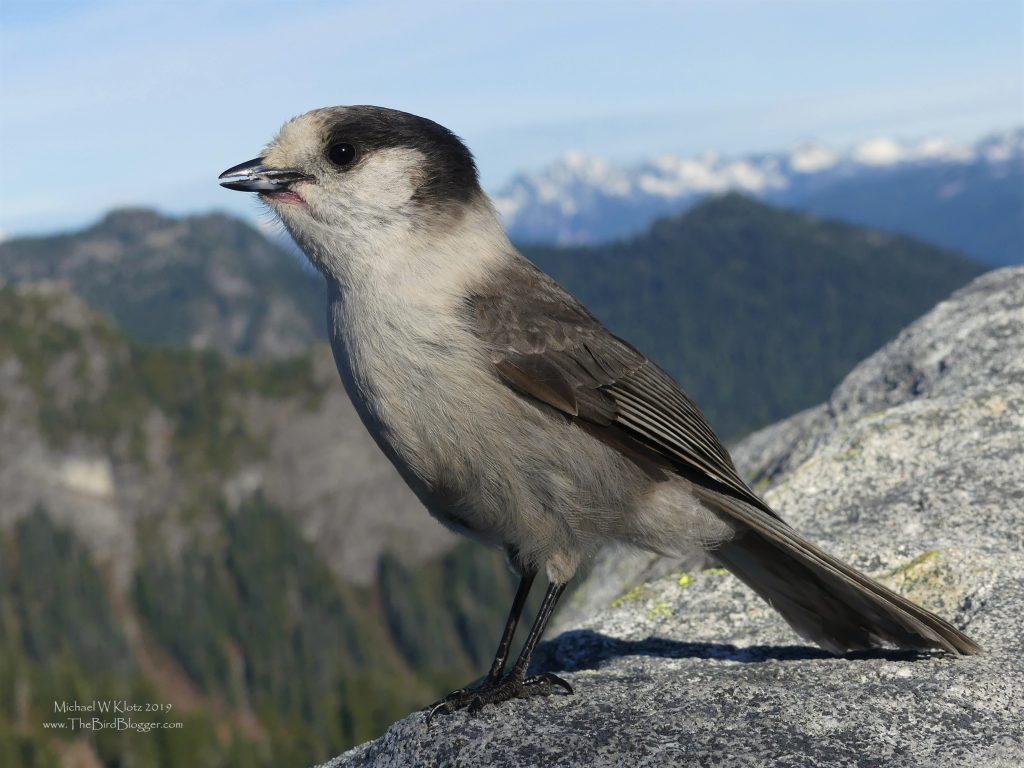
- Canada Jay
- Red-breasted Sapsucker
- Red-breasted Nuthatch
- Townsend’s Warbler
- Red Crossbill
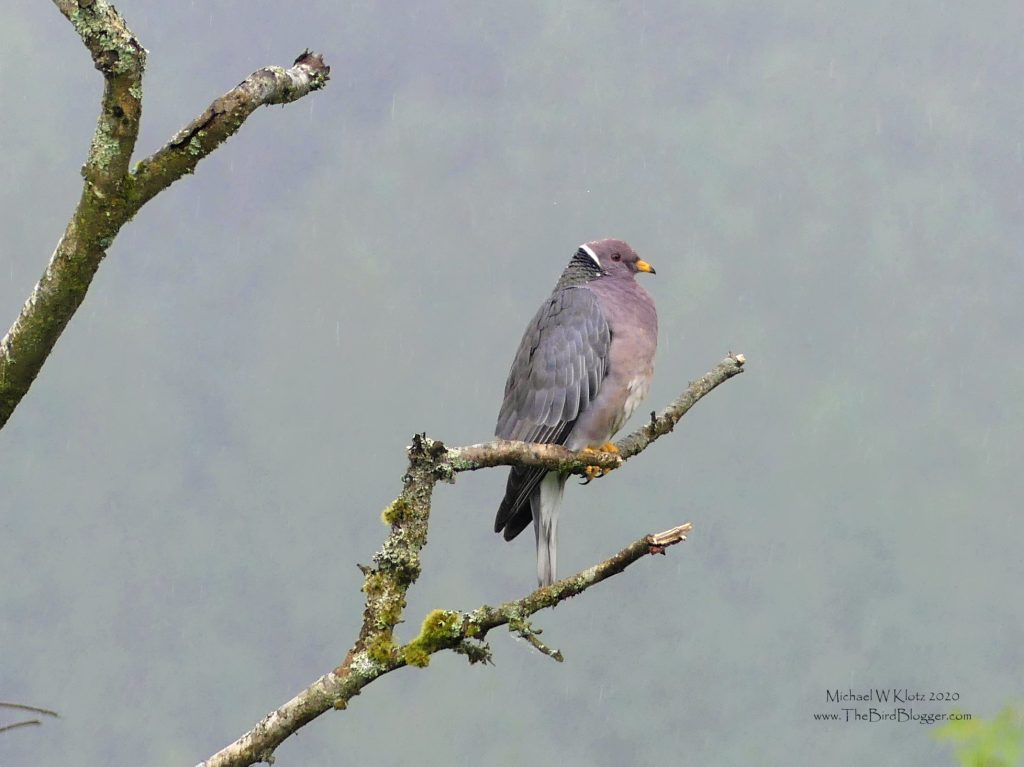
- Band-tailed Pigeon


Birding Tip
Check exposed snags and the tops of dead trees around forest openings. Olive-sided Flycatchers, Pygmy owls and Red-breasted Sapsuckers regularly use these prominent perches.
2. Mount Seymour
Sooty Grouse and Coastal Mountain Forest
Mount Seymour provides excellent access to the dense coniferous forests of the North Shore mountains. Check the roadway on the way up for our mountain chicken.

What You’ll See
- Sooty Grouse
- Pacific Wren
- Varied Thrush
- Stellar’s Jay
- Canada Jay
- Chestnut-backed Chickadee
- Golden-crowned Kinglet
- Red-breasted Nuthatch
- Red-breasted Sapsucker

Birding Tip
Visit during spring and listen for the low booming call of a male Sooty Grouse. The sound can travel surprisingly far through the forest, so finding the actual bird can take some patience.
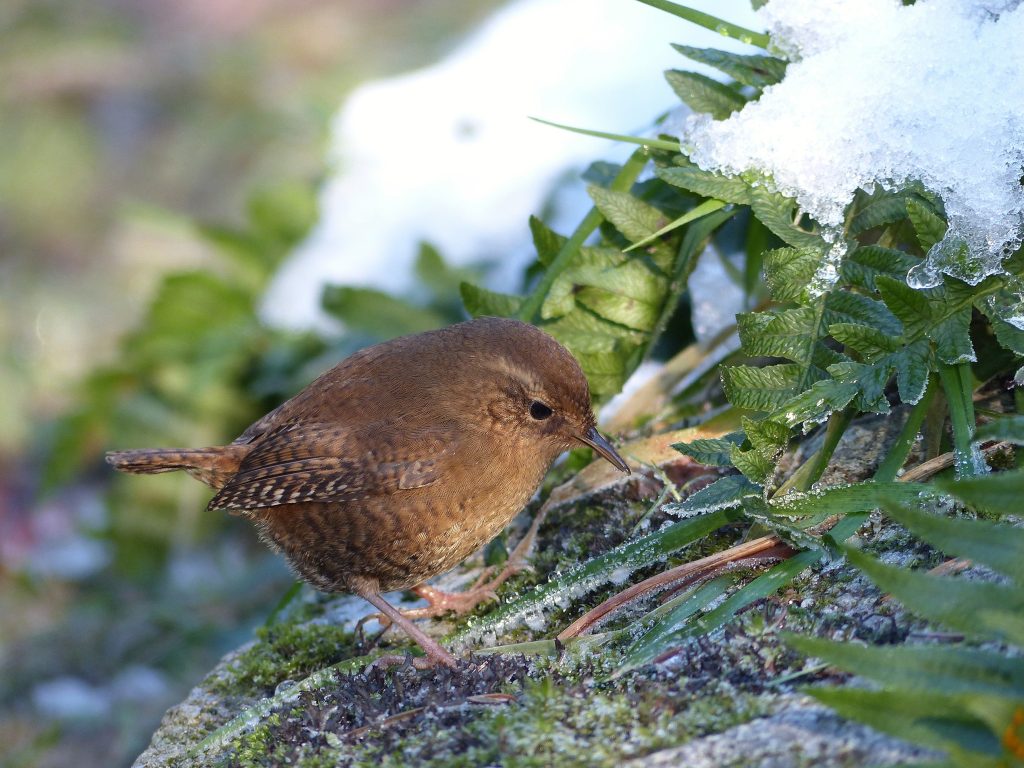
Pacific Wrens are also worth listening for. Their long, complicated songs seem far too powerful for such a small bird.
3. Capilano Fish Hatchery & Cleveland Dam
Mountain Streams and American Dippers
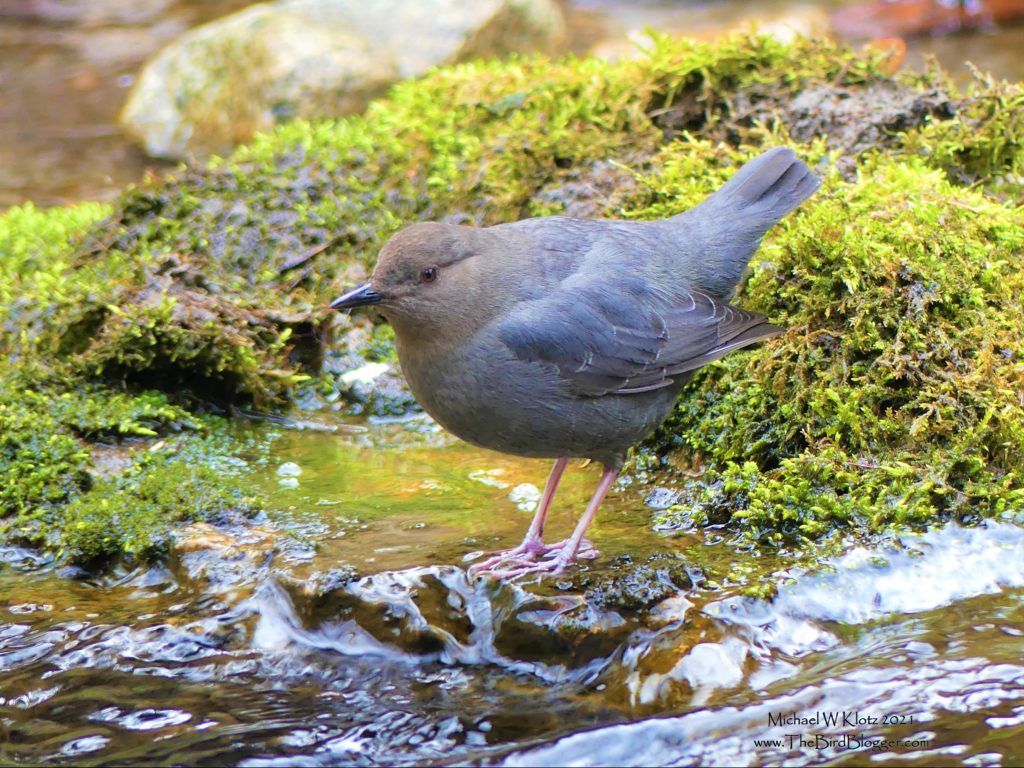
The Capilano River provides a completely different North Vancouver birding experience. Fast-moving water, exposed rocks, forest and steep canyon habitat make this an excellent place to search for American Dippers. Don’t forget to check out the Salmon Hatchery.
What You’ll See
- American Dipper
- Black Swift
- Vaux’s Swift
- Chestnut-backed Chickadee
- Pacific Wren
- Pileated Woodpecker
- Bald Eagle
- Common Merganser
- Belted Kingfisher
Birding Tip
Watch exposed rocks in fast-moving sections of the Capilano River. American Dippers often perch briefly before dropping into the water to search for aquatic insects.
At Cleveland Dam, remember to look up. The open sky above the canyon and surrounding mountains is also worth scanning for swifts during the warmer months.
4. Grouse Mountain
Two Elevations in One Birding Stop
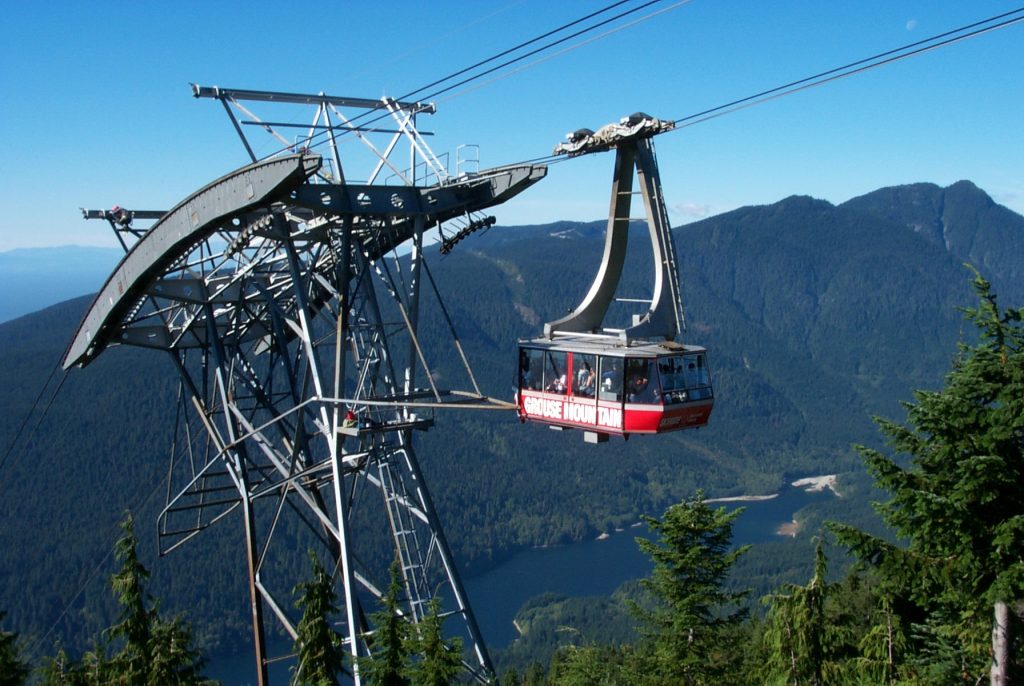
Grouse Mountain gives birders the opportunity to explore both lower coastal forest and higher subalpine habitat during the same visit.
Before taking the gondola, walk the Powerline Trail through the forest near the base of the mountain.


What You’ll See
- Western Tanager
- MacGillivray’s Warbler
- Rufous Hummingbird
- Hutton’s Vireo
- Pacific Wren
- Chestnut-backed Chickadee
- Sooty Grouse
- Varied Thrush
- Olive-sided Flycatcher
- Black Swift
Birding Tip
Walk the Powerline Trail early in the morning before taking the gondola. Watch the canopy for Western Tanagers and check thicker vegetation for MacGillivray’s Warblers.
Once higher on Grouse Mountain, look and listen for Sooty Grouse, Varied Thrush and other mountain birds.
Keep checking the sky for Black Swifts. These aerial specialists can spend long periods feeding high above mountain valleys and are very easy to miss when your attention is focused on the forest.
5. Maplewood Conservation Area
Forest, Wetlands and Burrard Inlet
Maplewood Conservation Area combines forest, marsh, ponds, shoreline and open sky. This variety makes it one of the most diverse birding locations on the North Shore.
What You’ll See
- Vaux’s Swift
- Northern Pygmy-Owl
- Chestnut-backed Chickadee
- Pacific Wren
- Pileated Woodpecker
- Great Blue Heron
- Bald Eagle
- Belted Kingfisher
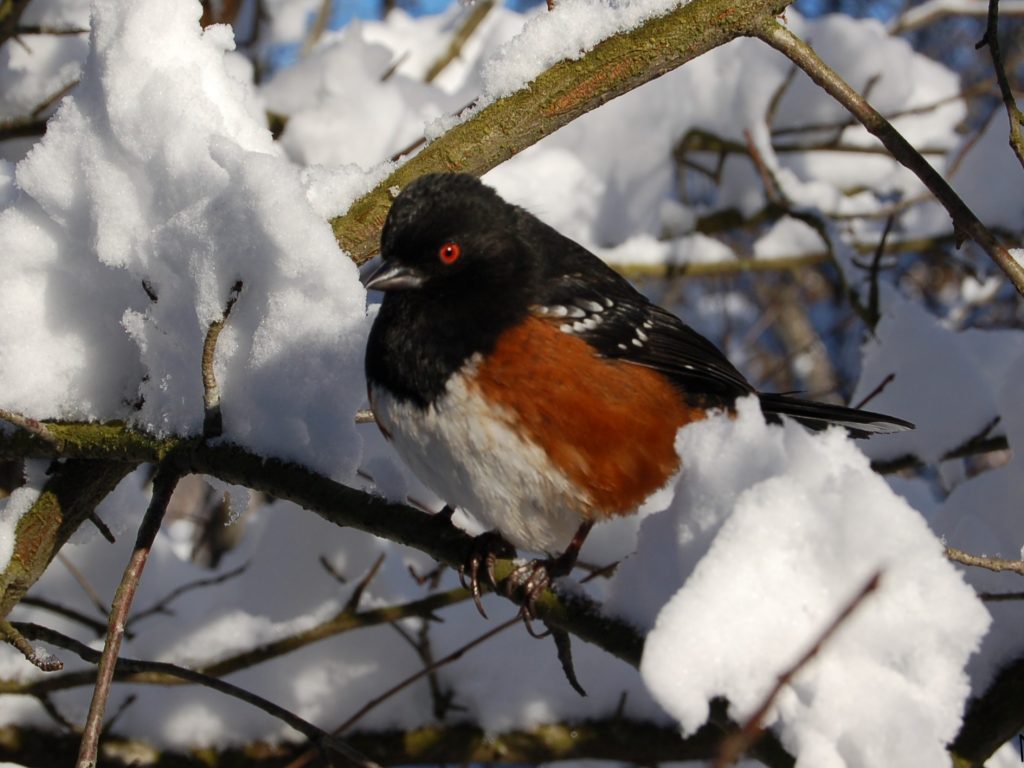
- Spotted Towhee
Birding Tip
Listen to the chickadees. Persistent alarm calls from several small birds can sometimes reveal a perched Northern Pygmy-Owl.
Vaux’s Swifts are also worth watching for overhead, particularly during migration.
When Is the Best Time to Go Birding on Vancouver’s North Shore?
- Spring (April–May): Sooty Grouse displays and returning migrant birds
- Summer (June–July): Western Tanagers, Olive-sided Flycatchers, Black Swifts and other breeding birds
- Fall (August–October): Migration and movement through lower-elevation forests including hawk watch for Broad-winged and Northern Goshawk
- Winter (November–February): Fewer species in the mountains, but species like Varied Thrush, Pacific Wren, Pygmy Owl and Red-breasted Sapsucker at lower elevations
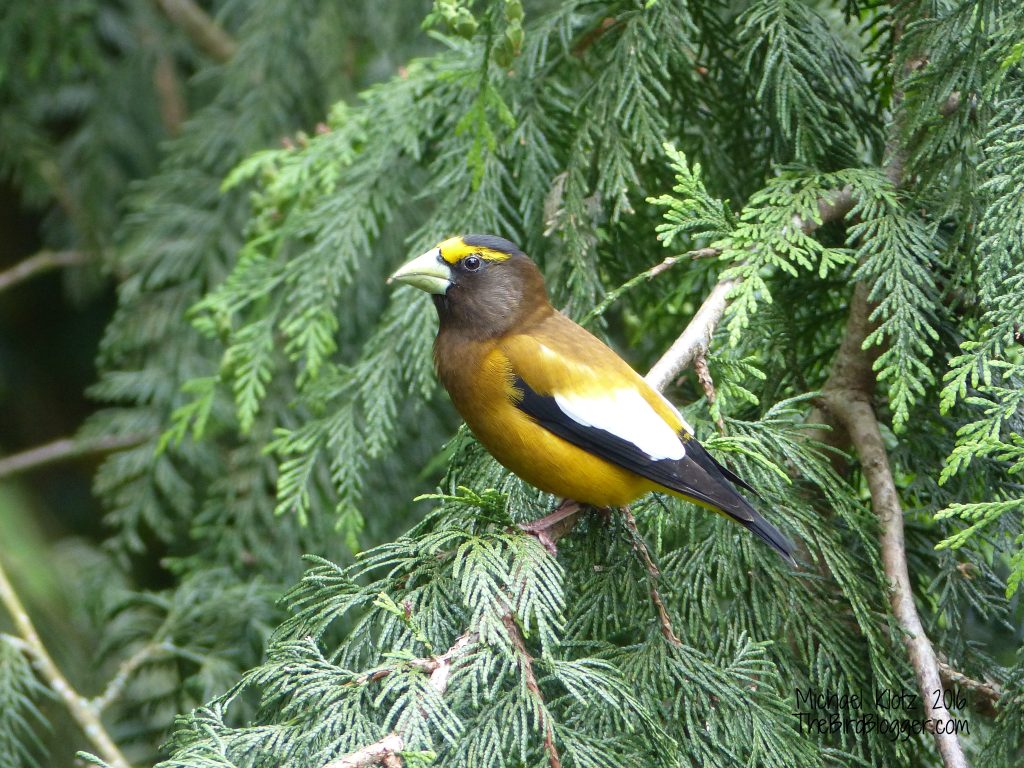
Winter birding in North Vancouver generally produces fewer species, particularly higher on the mountains where snow covers much of the habitat.
Head farther down the mountain and birding can still be very rewarding. Lower coastal forests, sheltered areas and mountain rivers can produce Varied Thrushes, Pacific Wrens, Chestnut-backed Chickadees, Golden-crowned Kinglets, Red-breasted Nuthatches and American Dippers.
Birding Tips for Visiting Vancouver’s North Shore
- Arrive early for the best bird activity
- Dress in layers — mountain weather can change quickly
- Listen carefully for Sooty Grouse and Pacific Wrens
- Scan exposed snags for Olive-sided Flycatchers and Pygmy Owls
- Check fast-moving rivers for American Dippers
- Look overhead regularly for Black and Vaux’s Swifts
- Explore lower elevations during the winter
- Respect trails and nesting areas
Photo Opportunities
Don’t forget your camera! These locations offer:
- American Dippers feeding in mountain streams
- Western Tanagers in coastal forest
- Sooty Grouse in subalpine habitat
- Varied Thrushes among mature conifers
- Mountain landscapes and old-growth forest
Final Thoughts
From American Dippers feeding in the Capilano River to Sooty Grouse booming on the mountains, North Vancouver offers a remarkable variety of birding within a small area.
Cypress Mountain, Mount Seymour, Capilano, Grouse Mountain and Maplewood each provide access to different habitats and different birds. Exploring several locations also allows birders to move between elevations as weather and seasons change.
If you’re spending more time in the region, combine the North Shore with the Best birding spots in Vancouver for an even wider range of coastal, wetland, forest and mountain species. If you are looking for a little help, check out the guides on 10000 Bird Tours.
These habitats are also a great introduction to birds found across western Canada and the wider destinations around the world also explored through 10000 Bird Tours.
Ready to explore? Grab your binoculars and head into the North Shore mountains — the birds are waiting!
Happy Birding!