
Top 5 Birding Hotspots in Southern Arizona
1. Madera Canyon – Santa Rita Lodge

- The number one Hotspot to bird in Southern Arizona is Madera Canyon
- Madera Canyon is in the Santa Rita Mountains south of Tucson
- Around 250+ bird species have been documented here — including rare or uncommon ones for the U.S., like the Elegant Trogon, Elf Owl and several hummingbird species.
- The canyon spans varied habitats (desert scrub, oak woodland, pine-oak, up to fir forests.) Birders often see a mix of desert, woodland, and montane species in one trip.
Best time to go: Late spring to early summer (April–June) when migrants are active and birds are breeding.
2. Patagonia‑Sonoita Creek Preserve / Patagonia Lake State Park
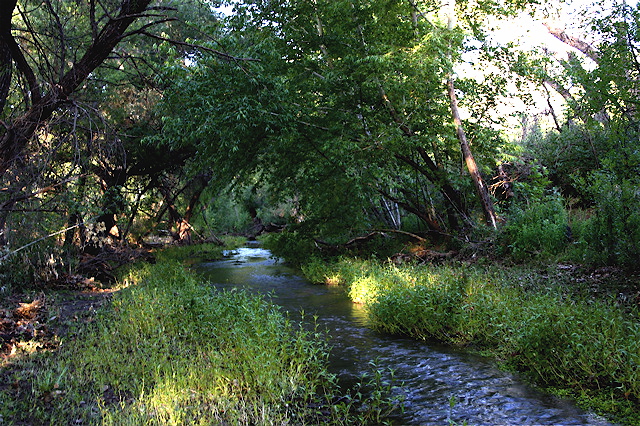
- This lush riparian woodland along Sonoita Creek is one of southern Arizona’s top birding destinations. Over 250 species have been recorded.
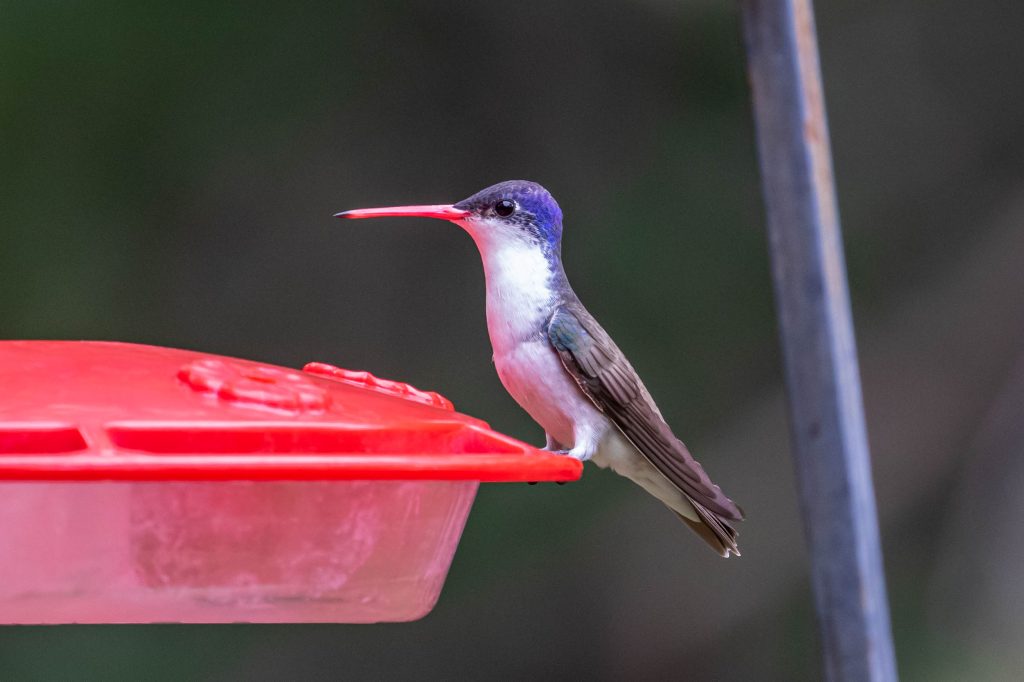
- Visitors often see species like Gray Hawk, Violet-crowned Hummingbird, Vermilion Flycatcher, and other riparian specialists.
- Patagonia Lake State Park adds — great for waterfowl and wading birds.This makes the region appealing for a mix of desert, woodland, and aquatic species.
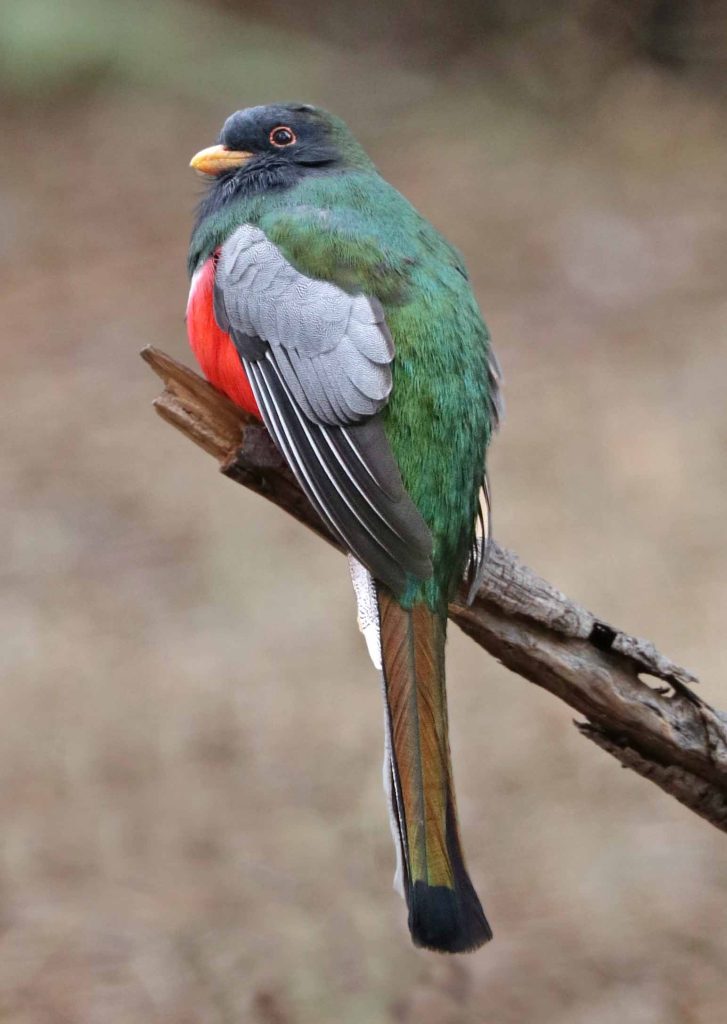
Tip: Visit during spring or early summer for best diversity; the riparian woodland supports birds during nesting season.
3. Sweetwater Wetlands (Tucson)

- Sweetwater Wetlands — a man-made wetland near downtown Tucson
- It is one of the most accessible and bird-rich urban birding sites in southern Arizona.
- The site supports nearly 300 species (over its history)
- It includes waterfowl, shorebirds, wading birds, marsh birds like rails, and a variety of riparian and woodland species. Audubon
- Because of the ponds, willows, and cottonwoods, it’s a great spot for ducks, herons, swallows, and songbirds

Great for: A casual half-day trip — especially if you’re based in or near Tucson.
4. Ash Canyon Bird Sanctuary – Sierra Vista, Arizona
- The Ash Canyon Bird Sanctuary is one of Southern Arizona’s premier destinations for close-range views of specialty hummingbirds.
- Once the private home of Mary Jo Ballator, continuing her legacy of welcoming birders from around the world.
- The sanctuary is now protected and operated by the Southeastern Arizona Bird Observatory (SABO).
- The sanctuary’s biggest draw is the Lucifer Hummingbird, a highly sought-after species with a restricted range in the United States.
- Visitors can also encounter Broad-billed, Rivoli’s, Anna’s, Black-chinned, Costa’s, Rufous, and other migrating hummingbirds depending on the season.
- Beyond hummingbirds, the feeders and surrounding oaks attract an impressive variety of species.
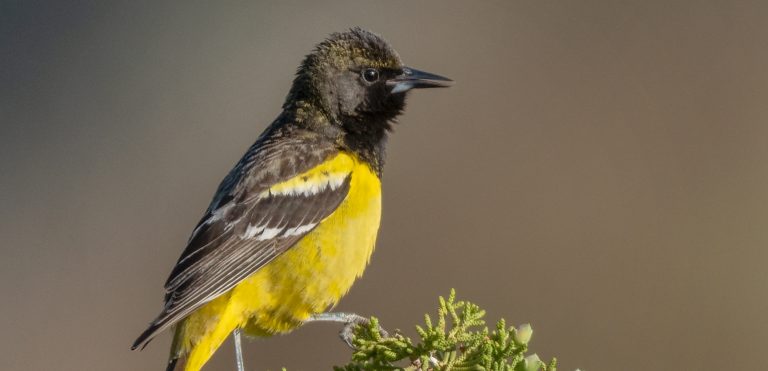
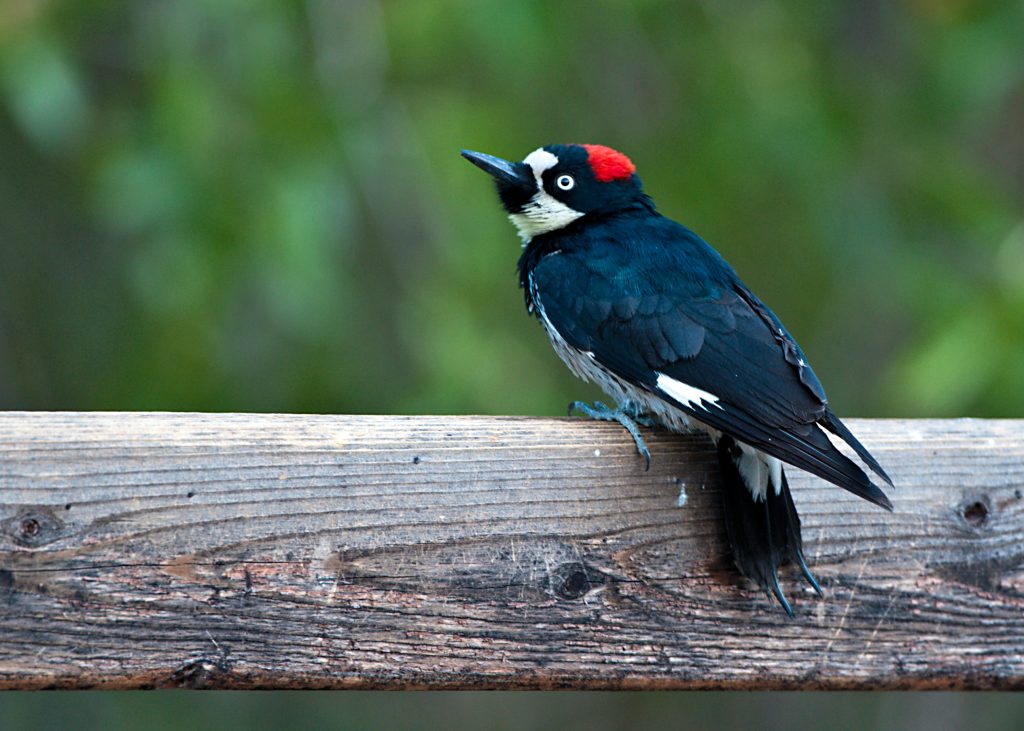
- Arizona Woodpecker, Acorn Woodpecker, Curve-billed Thrasher, Hepatic Tanager, Scott’s Oriole, Montezuma Quail, and seasonal warblers.
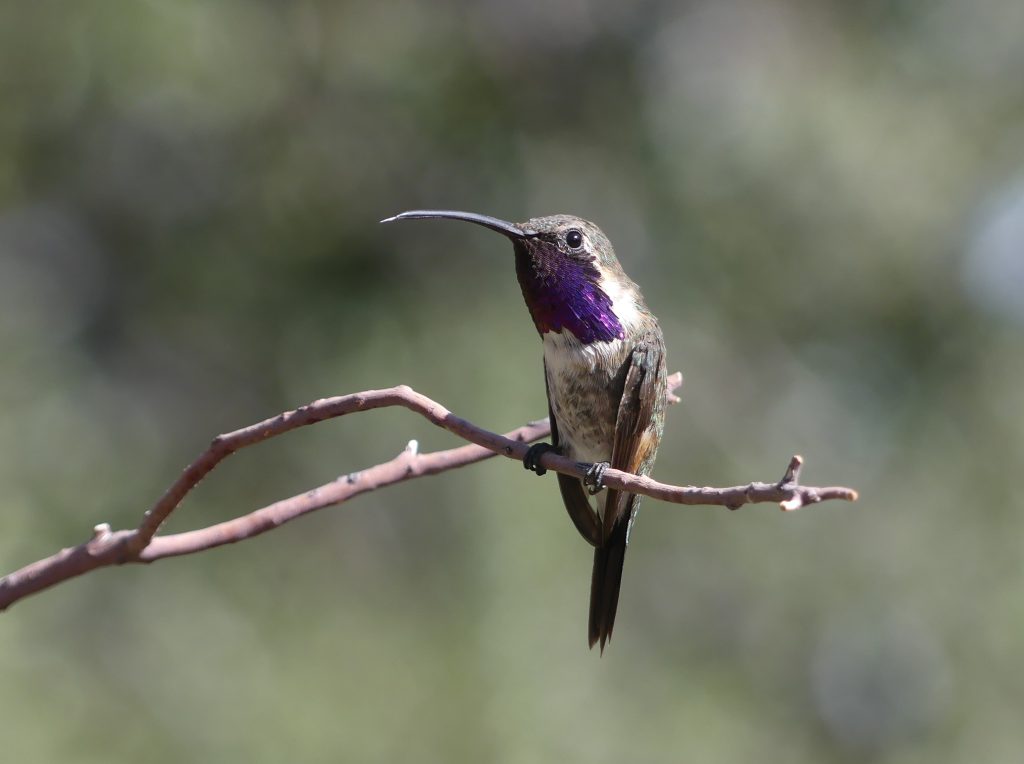

Best seasons: Spring through early fall (April–September), when migratory and breeding birds are most abundant. Southeastern Arizona Bird Observatory
5. Paton Center for Hummingbirds – Patagonia, Arizona
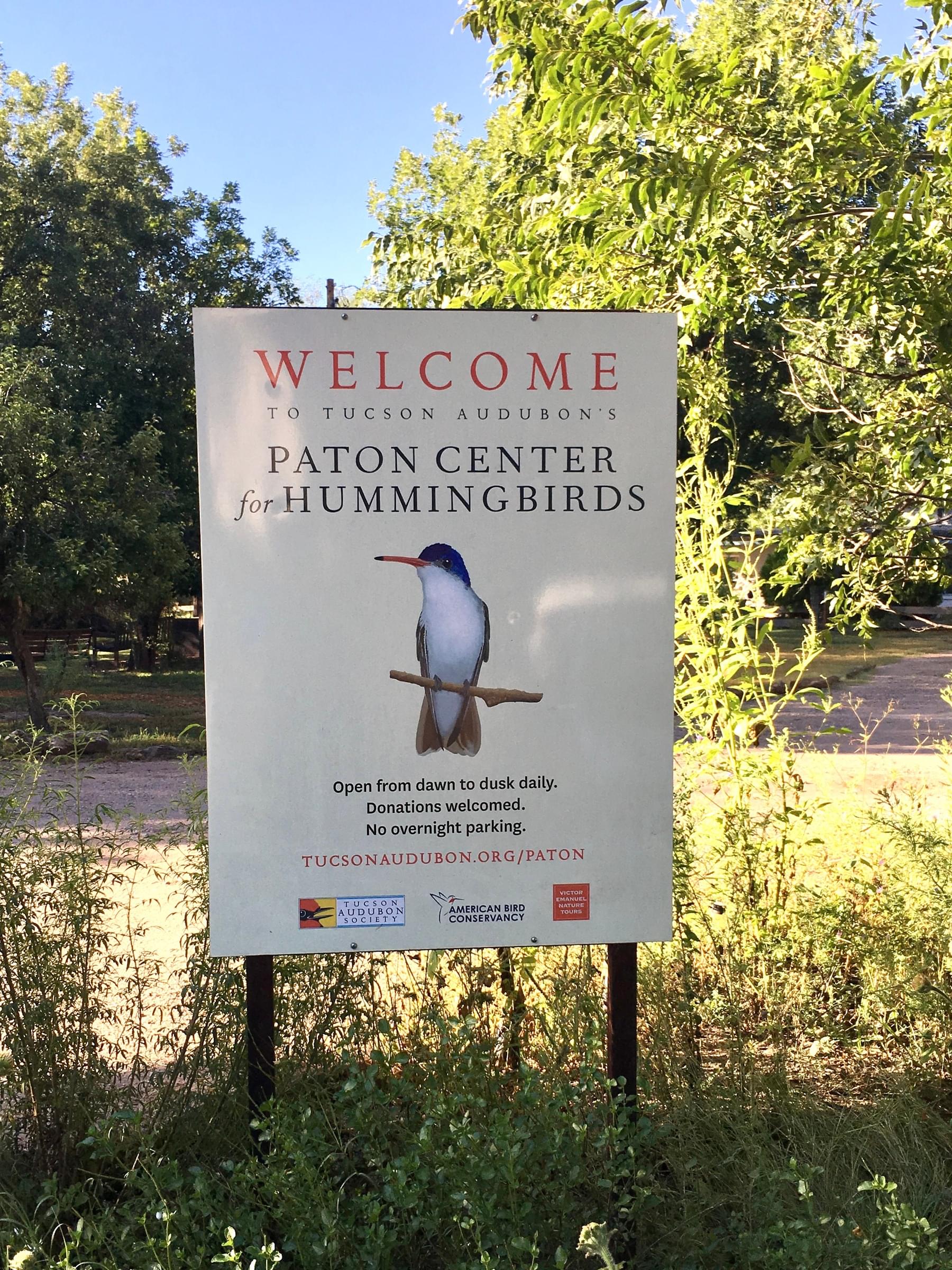
- The Paton Center for Hummingbirds is one of Southern Arizona’s most beloved birding destinations for the little nectar lovers.
- Originally the private backyard of Wally and Marion Paton—who famously welcomed birders with a simple “Birders Welcome” sign.
- The property is now managed by Tucson Audubon and remains a globally recognized hummingbird sanctuary.
- The site’s incredible array of feeders draws an unparalleled mix of species. The star attraction is the Violet-crowned Hummingbird, one of the most reliable locations in the US.
- Depending on the season, visitors can also see Broad-billed, Costa’s, Black-chinned, Anna’s, Rufous, Calliope, and Lucifer Hummingbirds.
Ideal for: Birders seeking a more temperate Arizona setting, combining water, woodland and moderate elevations.
🎯 What Makes Arizona So Great for Birding
- With around 550 bird species recorded, Arizona has one of the highest species totals of any non-coastal U.S. state — thanks to its incredibly varied habitats: desert, riparian, pine-conifer forest, wetlands, “sky islands,” wetlands, and migratory flyways. Audubon
- The mix of “desert lowlands to alpine mountains” means you can — in a single trip — encounter species adapted to very different ecological zones.
- Many hotspots are accessible by car or short hike, making Arizona appealing for both “serious birders” and casual nature lovers.
✨ Tips for Visiting & Making the Most of These Hotspots
- Timing matters — spring through early summer (April–June) is often prime time for migration, breeding birds, and maximum diversity.
- Elevation and habitat variety — plan to visit lowland wetlands or riparian zones and high-elevation forest or “sky island” habitats to maximize species diversity.
- Bring binoculars + a field guide (or use apps) — many birding spots are rich enough you’ll want good optics to catch subtle species or watch at a distance.
- Check access & rules — some preserves or mountain roads may have seasonal closures or access restrictions (especially in remote canyons or military-adjacent areas).
- Be respectful & low-impact — birding is best done quietly and responsibly, especially in sensitive habitats like riparian forests and high-mountain zones.
Arizona offers some of the most unforgettable birding in North America – and your next great adventure is only a click away. Visit 10000 Bird Tours to connect with expert guides and start planning the trip you’ve been waiting for!
Happy Birding!