Birding in the Las Vegas Area: Desert Wonders for Every Birder
Las Vegas is famous for casinos, but its desert landscapes hold stunning surprises for bird lovers. The Mojave Desert offers diverse habitats that attract both resident and migratory species. From shimmering wetlands to rocky canyons, birding near Las Vegas is full of life and color.
Clark County Wetlands Park: An Urban Oasis for Birds
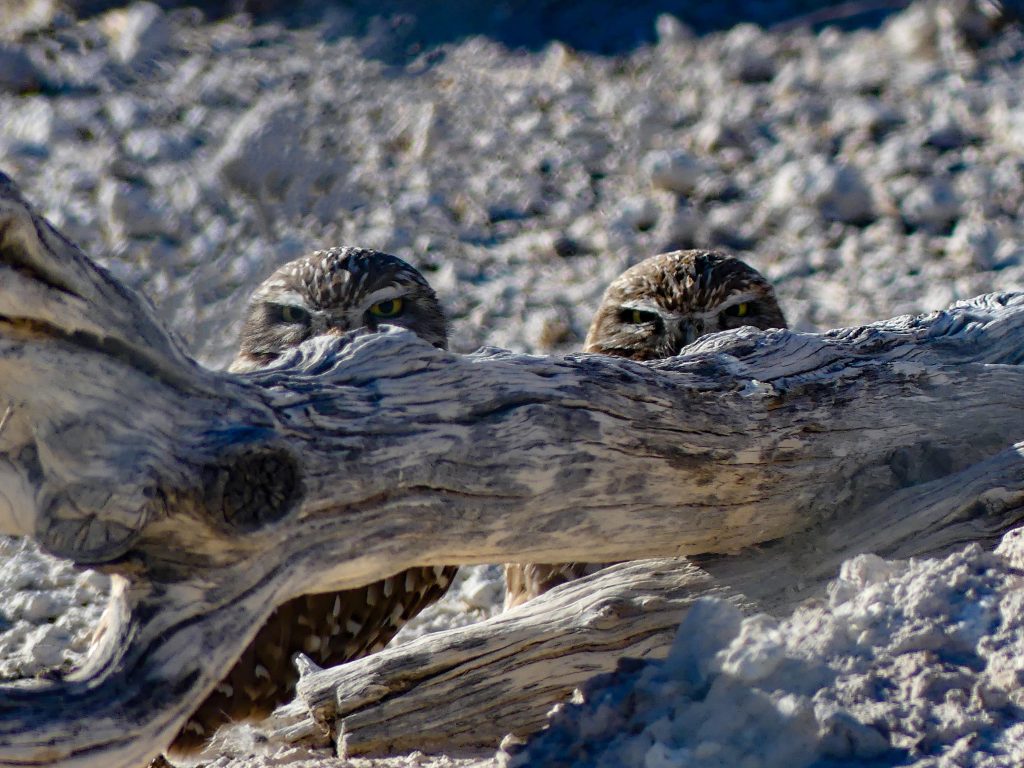
Just east of the Strip, Clark County Wetlands Park teems with bird activity. This lush refuge shelters White Pelicans gliding over ponds and Burrowing Owls nesting in open fields. Songbirds like Verdin and Black Phoebes dart between willows and reeds. In migration season, expect Yellow Warblers, Great Egrets, and White-faced Ibises. The park’s easy trails and visitor center makes it ideal for beginners.
Henderson Bird Viewing Preserve: A Desert Sanctuary
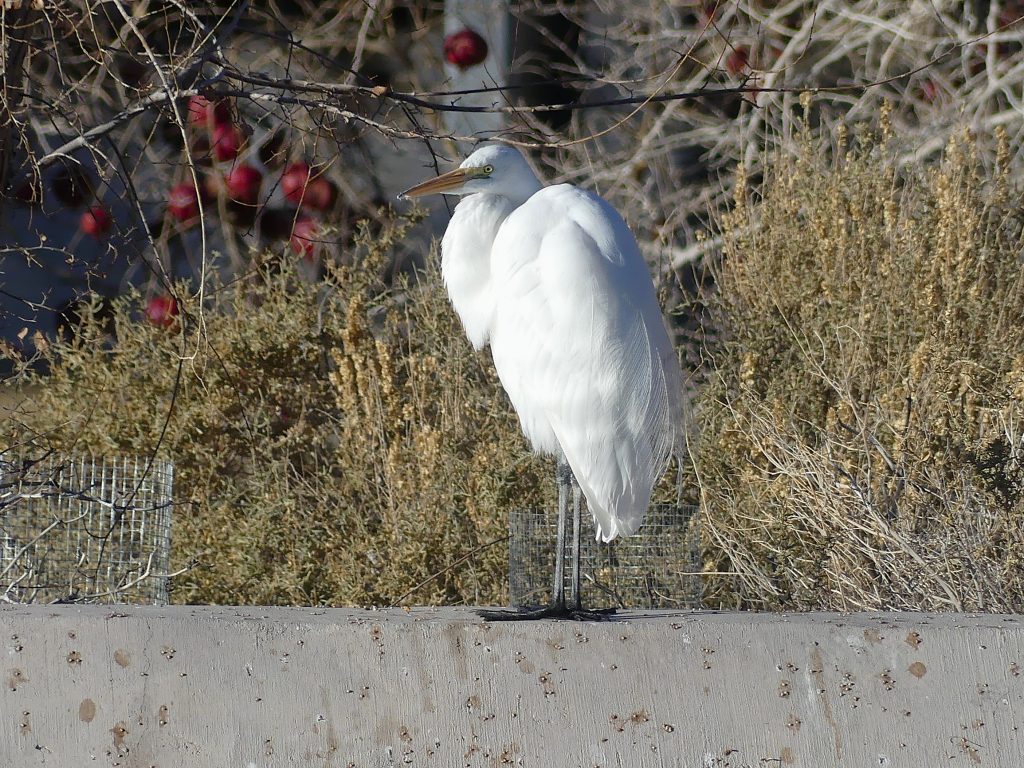
The Henderson Bird Viewing Preserve is a must-see while birding in the Las Vegas area. Its nine ponds attract hundreds of species each year. Golden Eagles sometimes soar above, while ducks, herons, and shorebirds crowd the water. Sagebrush Sparrows often appear in winter, adding charm to the arid scenery. Bring a camera—early morning light makes the preserve glow with beauty.
Lake Mead: Desert Waters Alive with Birds
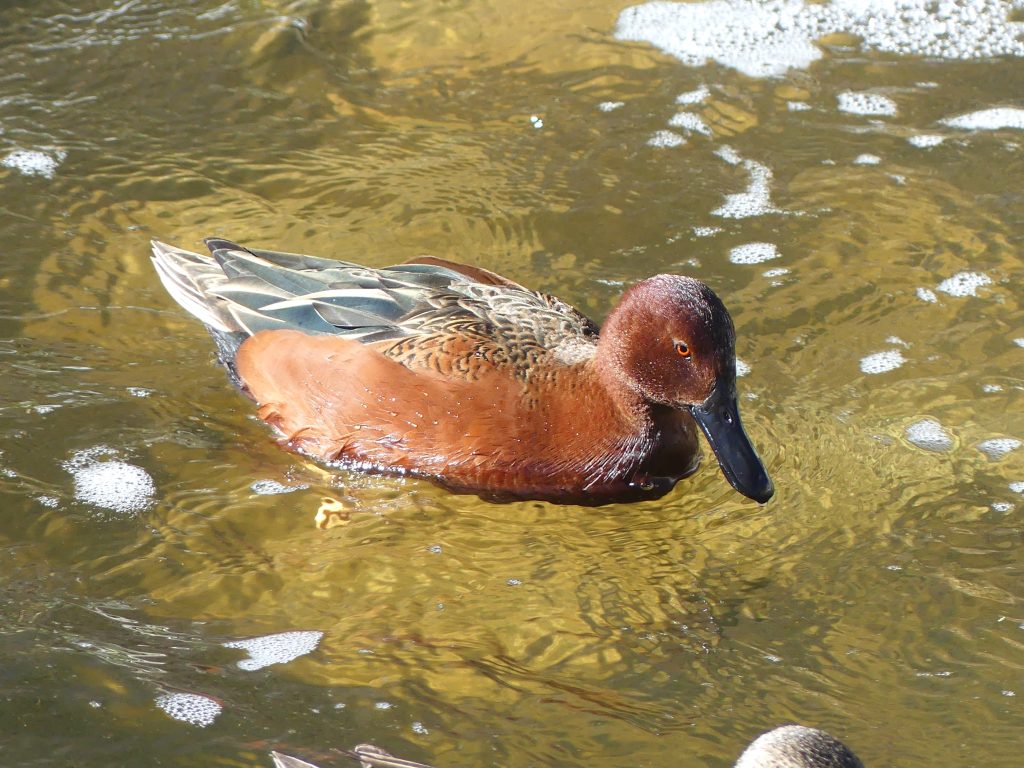
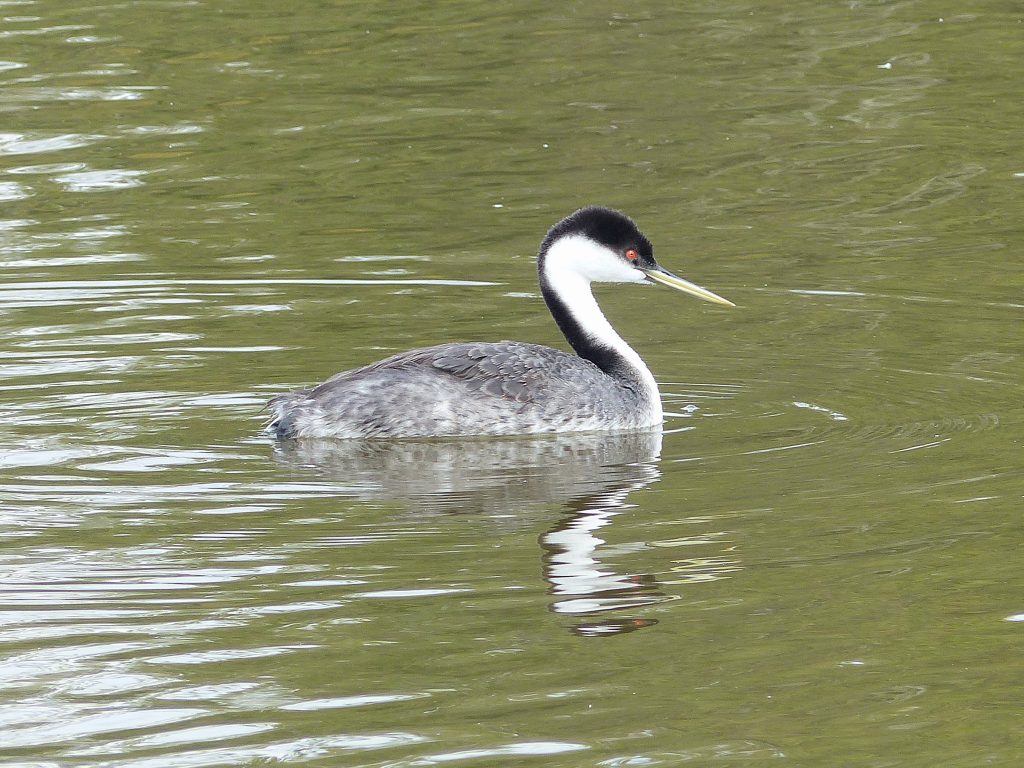
Lake Mead offers a completely different birding experience. Its vast blue waters attract countless water birds year-round. Look for American Coots, Clark’s Grebes, and Double-crested Cormorants cruising the surface. During winter, flocks of White Pelicans and diving ducks fill the coves. Bald Eagles sometimes perch on rocky ledges, scanning the lake for fish. The combination of open water and desert backdrop makes Lake Mead unforgettable.
Corn Creek Station: Gateway to Desert Wildlife
Corn Creek Station, part of the Desert National Wildlife Refuge, is a top destination for serious birders. This desert oasis sits just 30 miles north of Las Vegas. Cottonwoods and ponds create perfect habitat for migrants and rare species. In spring and fall, you have a chance to see Crissal Thrashers, Sagebrush Sparrows, and flycatchers feeding among the willows. Golden Eagles often soar overhead, while quail scurry through the brush. Have a look at the desert pup fish interpretive information as well. Corn Creek’s mix of desert and wetland makes every visit rewarding.
Red Rock Canyon and Mount Charleston: High Desert Adventures
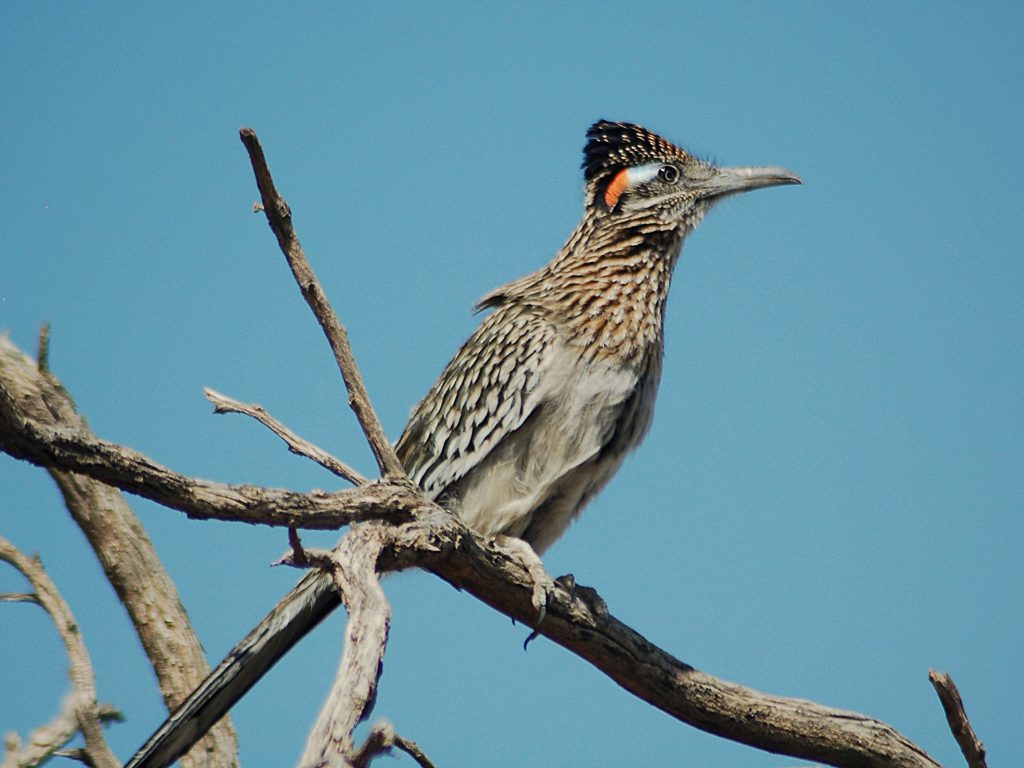
For more rugged birding just outside of the Las Vegas area, visit Red Rock Canyon. The red cliffs echo with songs of Canyon Wrens and Crissal Thrashers. Phainopeplas perch on desert shrubs, their glossy feathers shimmering in sunlight. Just an hour north, Mount Charleston’s cool forests host Steller’s Jays, Mountain Chickadees, and soaring raptors. Keep an eye out—Golden Eagles and Northern Goshawks patrol the skies.
The Thrill of Desert Birding
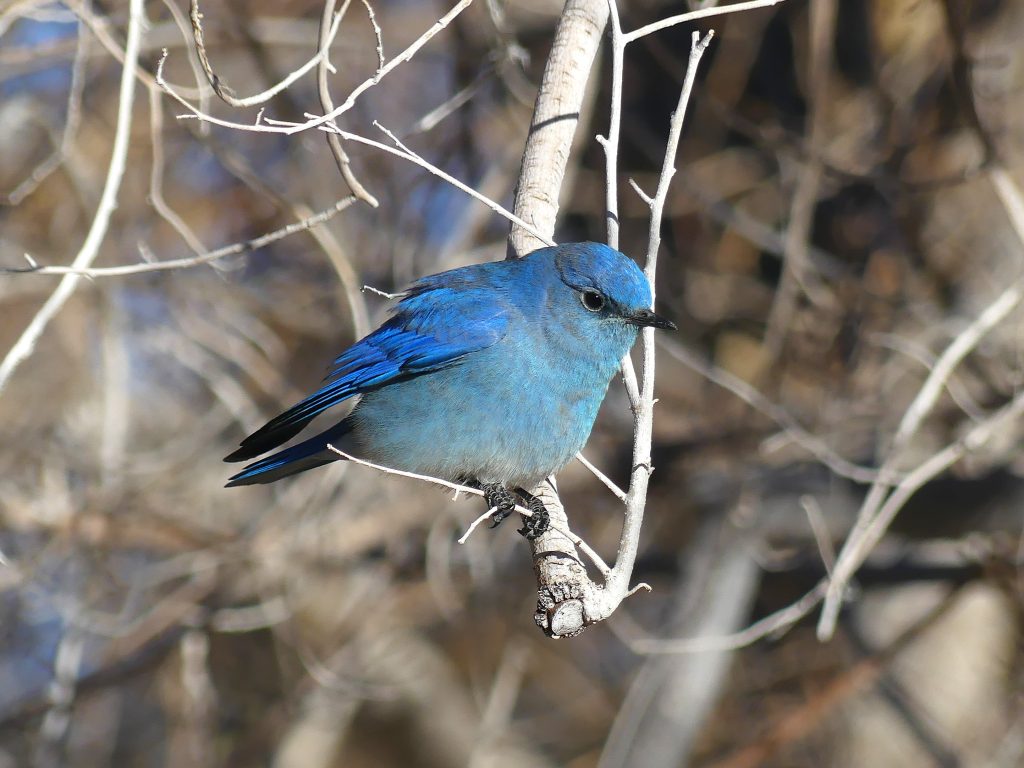
Birding in the Las Vegas area blends excitement with serenity. You might spot Burrowing Owls near casino suburbs or pelicans gliding above desert ponds. With over 300 species recorded, every outing offers a new discovery. Las Vegas proves that the desert isn’t empty—it’s alive, wild, and full of wings.