Birding on Oʻahu: A Tropical Paradise for Bird Lovers
When many people think of Oʻahu, they picture Waikīkī beaches, North Shore waves, and Honolulu’s nightlife. For birders, the island offers a different paradise. Oʻahu blends rare native birds, seabird colonies, seasonal shorebirds, and colorful introduced species. It is a living laboratory of birdlife and a reminder of fragile island ecosystems.
Native Forest Birds in the Mountains
The Koʻolau and Waiʻanae ranges shelter some of Hawaiʻi’s most unique forest birds. Many species are found nowhere else.
- ʻApapane – A crimson honeycreeper that feeds on ʻōhiʻa lehua blossoms.
- ʻAmakihi – A hardy olive bird with a curved bill.
- Oʻahu ʻElepaio – A curious flycatcher known for flicking its tail.
Native birds face serious threats. Avian malaria and avian pox arrived with mosquitoes brought by ships in the 1800s. These diseases devastate species with no natural immunity. Mosquitoes thrive in lowlands, pushing birds higher into cooler forests. As climate warms, mosquitoes spread uphill, shrinking the last refuges for honeycreepers like the ʻApapane. Guided hikes in the forests of the Waiʻanae range or ‘Aiea Loop Trail offer the best chance to see them.

Seabird Spectacle Along the Coast
Oahu’s shorelines host dramatic seabird gatherings. A visit to Kahuna Point State Park brings unforgettable encounters.
- Laysan Albatross – Huge seabirds with wingspans over six feet, nesting on open ground each winter.
- Wedge-tailed Shearwaters – Called ʻuaʻu kani, they dig burrows in sandy dunes and sing eerie calls at night.
- Red-footed Booby – Striking divers with red feet and sky-blue bills.
- Great Frigatebird – Long-winged pirates that chase other seabirds for their catch.
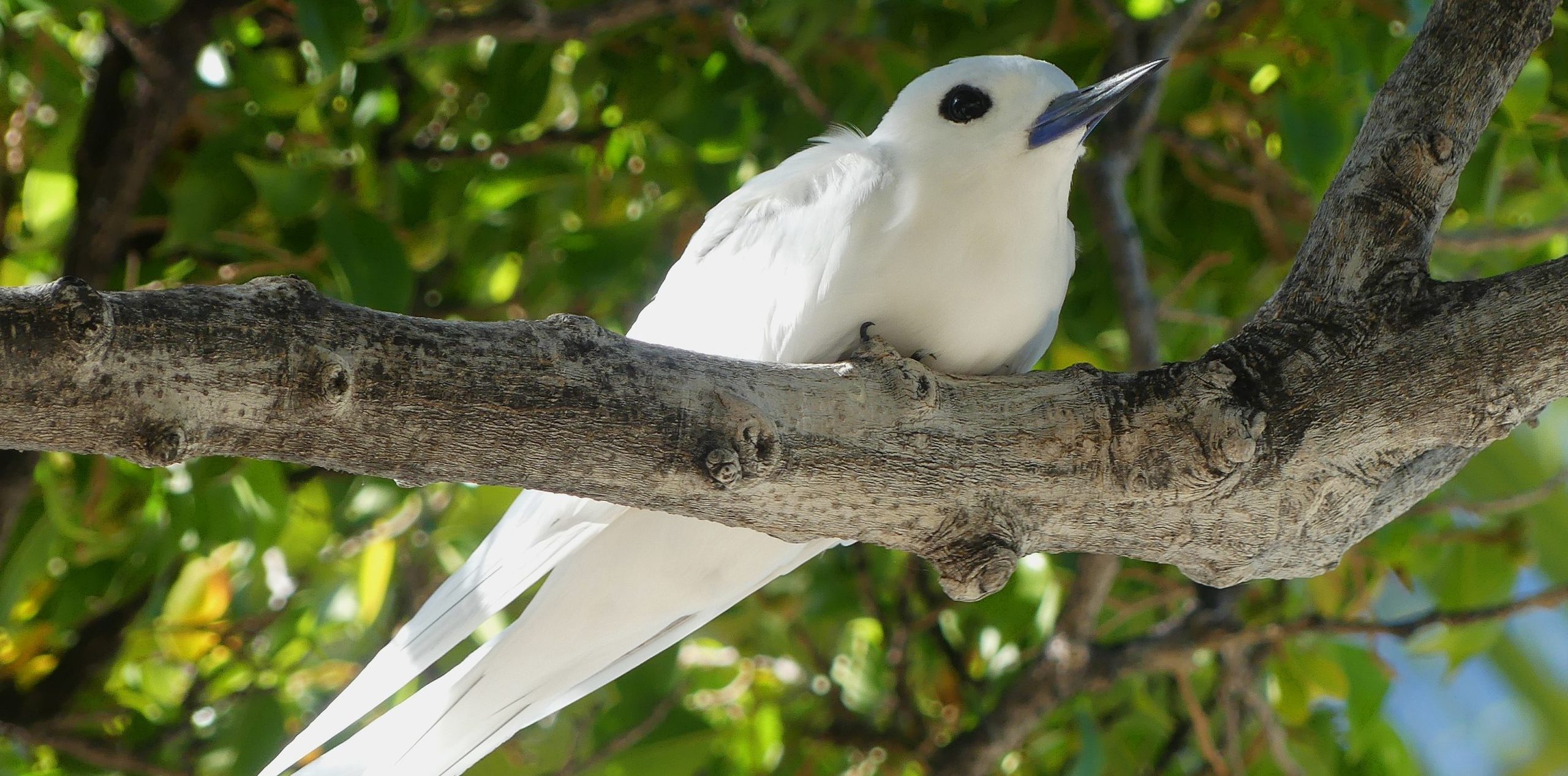
- White Tern (Manu-o-Kū) – A beloved bird of Honolulu. They soar above Waikīkī and perch in city trees. Instead of nests, they balance a single egg on bare branches. Chicks cling tightly to avoid falling. Scientists will soon split Oahu’s White Terns into a separate species.
Winter also brings migrating whales, making the cliffs an even more exciting place to scan the skies and seas.
Shorebirds: Seasonal Visitors from Afar
From late summer through spring, Oahu’s beaches and ponds host long-distance migrants. These shorebirds fly thousands of miles across the Pacific.
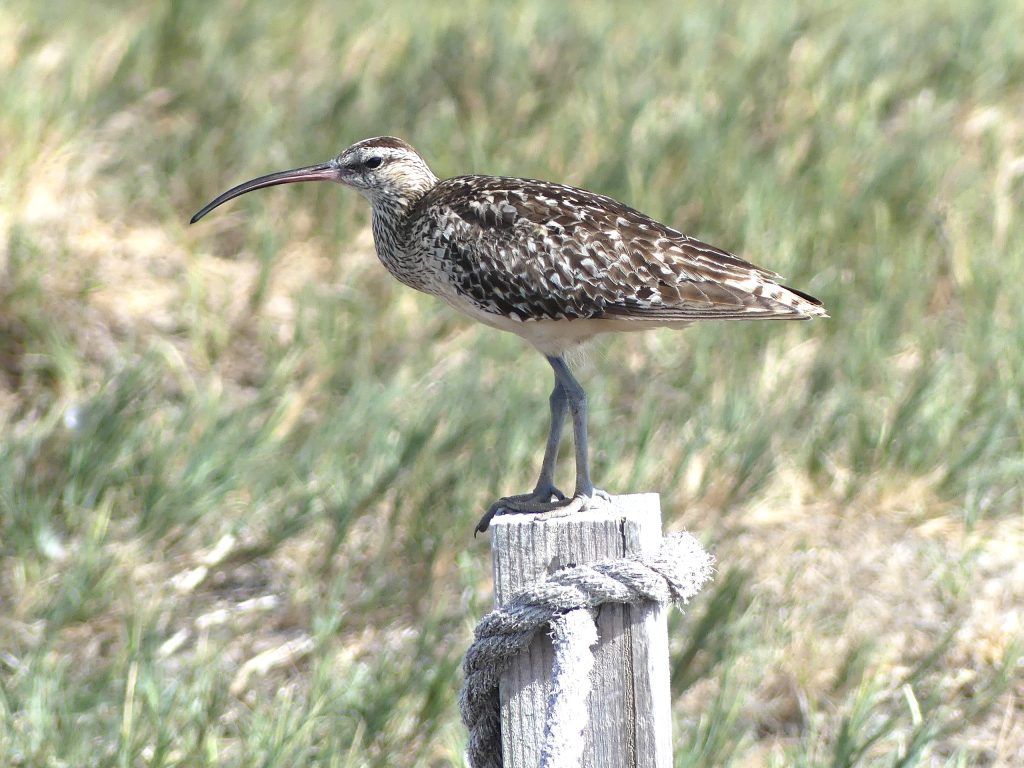
- Bristle-thighed Curlew – Breeds in western Alaska, then winters on Oahu’s North Shore fields, ponds, and sandy beaches.
- Pacific Golden Plover (Kōlea) – Iconic Arctic breeders that return each fall to forage on lawns and coastal fields.
- Ruddy Turnstone – Bold, patterned birds that flip stones and debris to find food.
- Wandering Tattler – Slim gray sandpipers with a two-note whistle, common along rocky shores.
Shorebirds highlight Oahu’s role as a critical refuge for species that depend on long migratory journeys.

The Colorful Challenge of Introduced Birds
City parks reveal another side of Oʻahu birding. Common mynas strut, zebra doves coo, and red-vented bulbuls chatter. Flocks of rose-ringed parakeets flash green above, while red-crested cardinals brighten gardens with scarlet crowns. Spotted doves perch on wires, adding to the island’s noisy chorus.
These birds are beautiful but invasive. Many were brought intentionally or arrived with trade ships.
They compete with native honeycreepers for food and nesting space. Japanese white-eyes often outcompete natives for nectar. Some spread invasive plants or prey on insects needed by local species.
Mosquitoes, introduced with ships in the 1800s, pose an even greater threat. They transmit deadly avian malaria and avian pox. Native birds, unadapted to these diseases, have suffered steep declines.
As mosquitoes move uphill with warmer temperatures, even mountain refuges will no longer provide safety.
Best Spots for Birding on Oʻahu
- Kaʻena Point Natural Area Reserve – Seabirds, native plants, and sometimes Hawaiian monk seals on the beach.
- Hawaiian Electric’s Kahe Point – Evening flights of shearwaters and noddies.
- Kawainui Marsh – Hawaii’s largest wetland, with stilts, ducks, and black-crowned night herons.
- Nuʻupia Ponds (Kāneʻohe Bay Drive) – Productive wetlands for shorebirds. Park on Kāneʻohe Bay Drive before the Marine Corps Base entrance. Follow the path along the west side of the pond. Do not enter the base itself. Access beyond the path is restricted to military and authorized personnel. Bring binoculars or a spotting scope. Birds at the far ponds are hard to see without them.
- North Shore coastal fields and ponds – Look for Bristle-thighed Curlews, Pacific Golden Plovers, and other migrants.
- ʻAiea Loop Trail – A forest hike with good views and native honeycreepers.
- Mānoa and Tantalus Trails – Misty valleys with ʻApapane, ʻAmakihi, and Oʻahu ʻElepaio.
- Honolulu & Waikīkī – Easy city birding. See White Terns nesting in trees and flocks of mynas, bulbuls, and parakeets.
Final Thoughts
Birding on Oʻahu is full of contrasts. The island offers native forest jewels, soaring seabirds, and migratory shorebirds. It also hosts colorful but invasive species that compete with native birds.
Mosquito-borne diseases remain a serious threat to the honeycreepers that survive in shrinking upland forests.
For birders, Oʻahu is both a place of wonder and a call to protect. Every sighting — from an ʻApapane in the mountains to a Bristle-thighed Curlew on the beach — is unforgettable. Supporting conservation ensures Hawaii’s birds will continue to thrive for generations.