Bird Watching in Vancouver: A Perfect Cruise Ship Shore Excursion
BOOK NOW – 10000BirdTours.com Vancouver Guides
The Intro
Vancouver is one of the most beautiful cities in the world, also boasting world class bird watching. Cruise Ships headed to Alaska use this city as a major port. When docking in Vancouver, a unique way to explore nature, is a bird watching shore excursion. This is perfect for cruise passengers with a few hours to spare during, before or after their cruise. 10000BirdTours.com can make this amazing stop even better.
Metro Vancouver has many Micro ecosystems, from spectacular snow-capped mountains to the north, to farmlands in the south and east. The mighty Fraser River cuts through all of it, meandering through marshland, multi-armed, to the Pacific Ocean to the west. This little portion of heaven is also one of the major stops on the Pacific Flyway. This makes it one of the best spots for migration birding. The climate is warm for Canada, making it one of the only spots for winter birding of some migrants.
Vancouver is in the Temperate Rain Forest but are also in the rain shadow of Vancouver Island. These two environmental facts give it an average yearly rainfall difference of 55 inches. Near the US border, there is just an average of 45 inches of rain per year. This compares with the 99 inches that fall along the mountains to the north. A vehichle will make it to both in one hour. If you are looking for an amazing birding experience, Vancouver is one of the world’s best. As a bonus, you will get the amazing scenery thrown in for free.
The Feathers
Vancouver is west of the Rockies which gives it a very distinct geographic boundary. This separates the western species like the Stellar’s Jay from the more common Blue Jay to the east. If you are from the east or south we recommend a field guide. I don’t always use a field guide, but when we do …. we enjoy Sibley’s Field Guide to Birds of Western North America.
A good many of the species that live here year round have a slight darkening of their feathers. Downy Woodpeckers, Song Sparrows, and Sooty grouse are somewhat grayer here on the “Wet” coast. Birds inland are much brighter but are considered the same species. The reasoning for darkened birds is most likely the dense and dark forests and overcast days giving darker birds the advantage for survival.
In the summer there is a large diversity of birds that breed here, spread out over the different ecosystems. The mountain birds are Sooty Grouse, Black and Vaux’s Swifts and Olive-sided Flycatchers. The forests birds are Hutton’s Vireo, Chestnut-backed Chickadees, Band-tailed Pigeons and Varied Thrush. There are also the deciduous forests consisting of cottonwood, alder and willow. Bullocks Oriole, Western Tanager, Rufous Hummingbirds and Willow Flycatchers are found there.
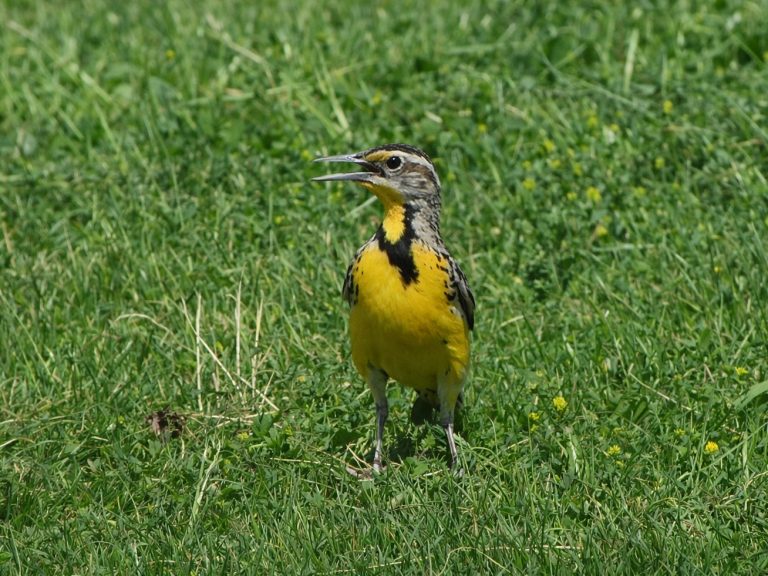
In the winter there are a great many birds that stay along the coast. Those include Brant, Long-tailed Duck, Dunlin, Peregrine Falcon and a large number of Bald Eagles. Because the delta rarely freezes for long, there are several birds that make their home in the marshes and farmland. These are Trumpeter Swans, Virginia Rail, American Widgeon, Short-eared Owl, and the Western Meadowlark.
The Parks
The jewel in Vancouver’s crown has to be Stanley Park. The 1000 acre park is surrounded by the salt water of English bay and Vancouver Harbor. You will find the Ocean going birds in the waters around the park on a path called the “Sea Wall.” There are freshwater birds in Lost Lagoon and the forest birds that live among some of Vancouver’s largest trees in the middle of the park. The trails here are well kept, very accessible and in close proximity to downtown.
Another notable park in Vancouver proper is Queen Elizabeth Park. The park is one of the higher points to view the city. Many different plant species here draw in a great many type of birds to this little island in the city. When you are finished birding, visit the Bloedel Conservatory. You will see tropical birds housed in the geodesic dome built in 1969.
The Wild Side
An area that is fantastic for birding just alongside the Vancouver International Airport is Iona Island. There is a wonderful walk around the outer ponds which are home to several duck species in the breeding season. You will also see close ups of Marsh Wrens and the only place in Vancouver to see Yellow-headed Blackbirds. If you are stealthy enough, this is also one of the best places to see Wilson’s Snipes. The walk out on the Jetty, extending out into the ocean, can be very productive if the tide is right. In the fall, you can see Snow Bunting, Horned Lark, Lapland Longspur. It is also one of the best places for Wandering Tattler. Because of the distance out into the straight, there is a good chance of seeing birds that rarely come ashore. These include Jeagers, several species of gulls and terns and a lots of Alcids.
A must see spot in Vancouver is the Reifel Bird Sanctuary in Delta, just south of the Airport. This is a series of ponds and dykes on the flats where the Fraser River meets the ocean. They are a series of shallow islands of silt deposits. The sanctuary has done a wonderful job of using a combination of plants to keep the diversity of birds interesting. Among the highlights here are the Sandhill Cranes that nest and winter here. Black-crowned Night Herons also winter in the refuge with the Cranes. This is a great location for rarities as well with Tropical Kingbirds, Bohemian Waxwings, Snowy and Northern Hawk Owls, all making brief appearances in the last couple of years. Rare bird sightings in Vancouver can be found “here.”
The Mountains
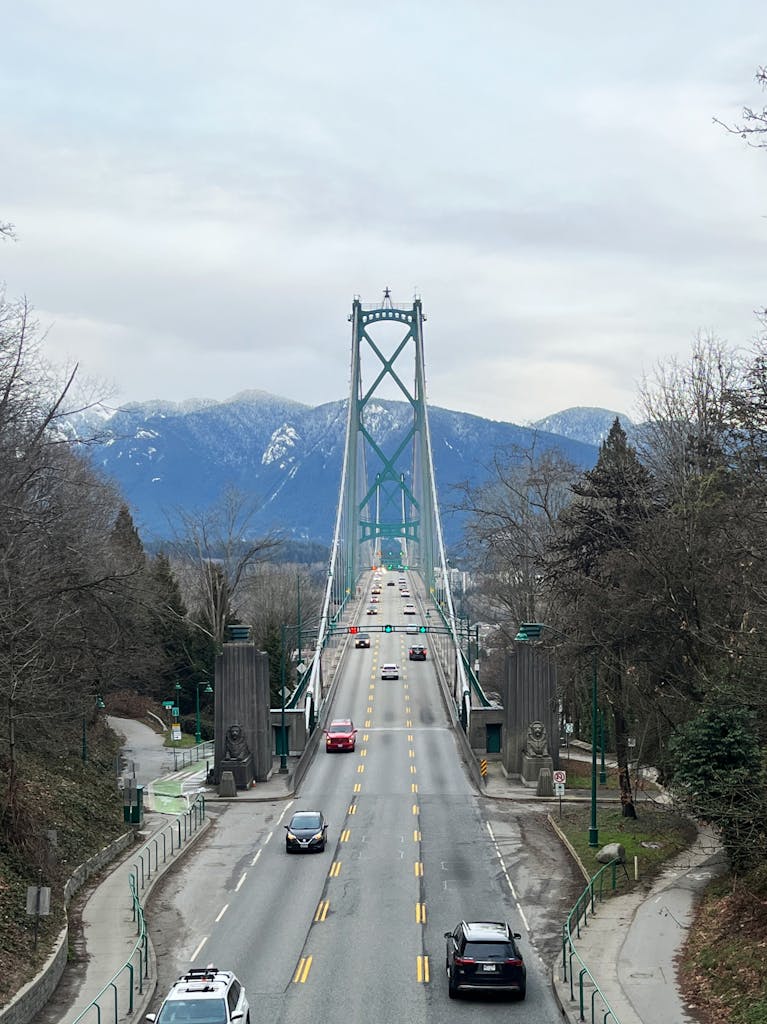
At night, one of the magical things about Vancouver is to be able to look up towards the mountains and see the lights on the tops of the mountain in three locations along the north shore. These are fabulous locations for boarding or birding in the winter when the snow is falling but they are also the perfect place for bird watching in the summer.
The three ski hills in close proximity to the city are Grouse, Cypress and Seymour. Grouse has a spectacular gondola ride to the main staging area. Both Cypress and Seymour are accessible by vehicle all year round. In the winter, trails are perfect for snowshoeing, where you are most likely going to see Gray Jays, Mountain Chickadees, Red Crossbills with the occasional Sooty Grouse. In the summer months, the snow has melted almost completely by May and hiking boots will get you into some spectacular areas allowing views of American Dipper, Townsend Warblers and Hermit Thrush.
My favorite walk is one around Yew Lake at Cypress Bowl which leads to all sorts of fantastic sights. This including a section of old growth forest trunks that four full grown men can’t put their arms around. Look for Red-breasted Sapsucker and Pacific Wren and Varied Thrush in the old growth. Always good to keep your eyes open here in the summer so as not to startle the bears that are usually in the area eating berries….. not people.
The Farmer and the Dell
The Fraser River mouth is one of the largest, most fertile deltas in British Columbia. It is a major stopover on the Pacific Flyway, allowing hundreds of thousands of birds to recharge on their way north to breeding grounds or south to warmer winter weather. Waterfowl like the Trumpeter Swan, White-fronted Geese, American and Eurasian Widgeon pack the corn and hay feilds. The raptors that feed on those birds are here like Bald Eagles and Northern Harriers.The swans and geese love the feilds that held carrots. In the summer, the fields are alive with the Savanah Sparrows, Brewer’s Blackbirds and Barn Swallows.
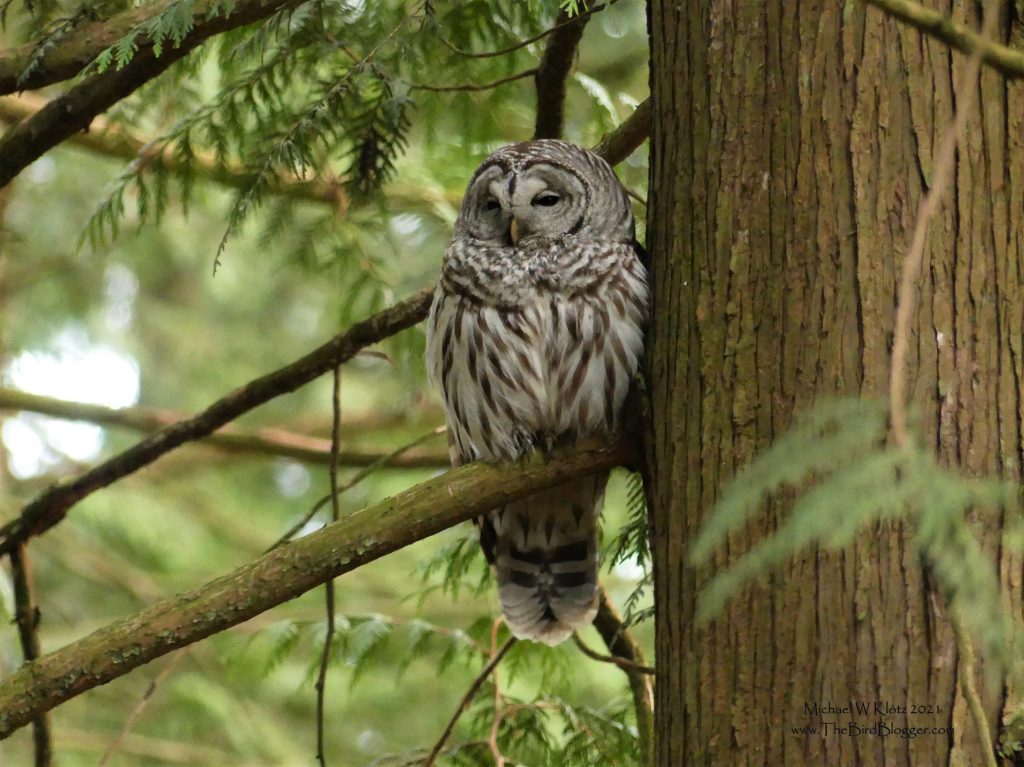
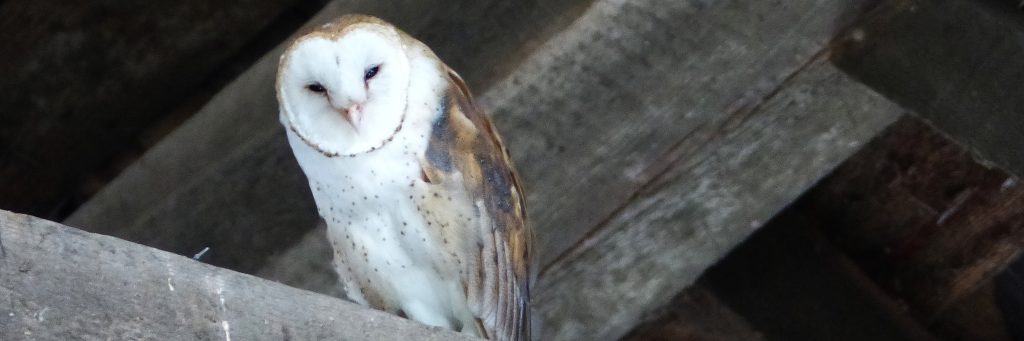
In several barns here in the lower mainland live our Barn Owls which are essentially the only members of their species to breed in Canada. There has been a concerted effort by the local owl groups and government to help the process of making baby Barn Owls. In some of the parks in Surrey and Richmond, they have gone to making miniature barns for the owls to nest and roost which helps in the symbiotic relationship of farmer and owl. A family of Barn owls can eat up to 2000 small rodents a year and that means those little critters eat less of the farmer’s crops or animal feed.
These farmlands are vital to the bird populations that make them home and an irreplaceable stop along the journey from the artic to the tropics. These farmland should be viewed as a resource for birds and people so we both have a place for our food to grow.
The Great Big Blue
Two locations to get wonderful land views of the birds on Vancouver’s salt water, besides Stanley Park, are the White Rock Pier and Lighthouse Park in West Vancouver.
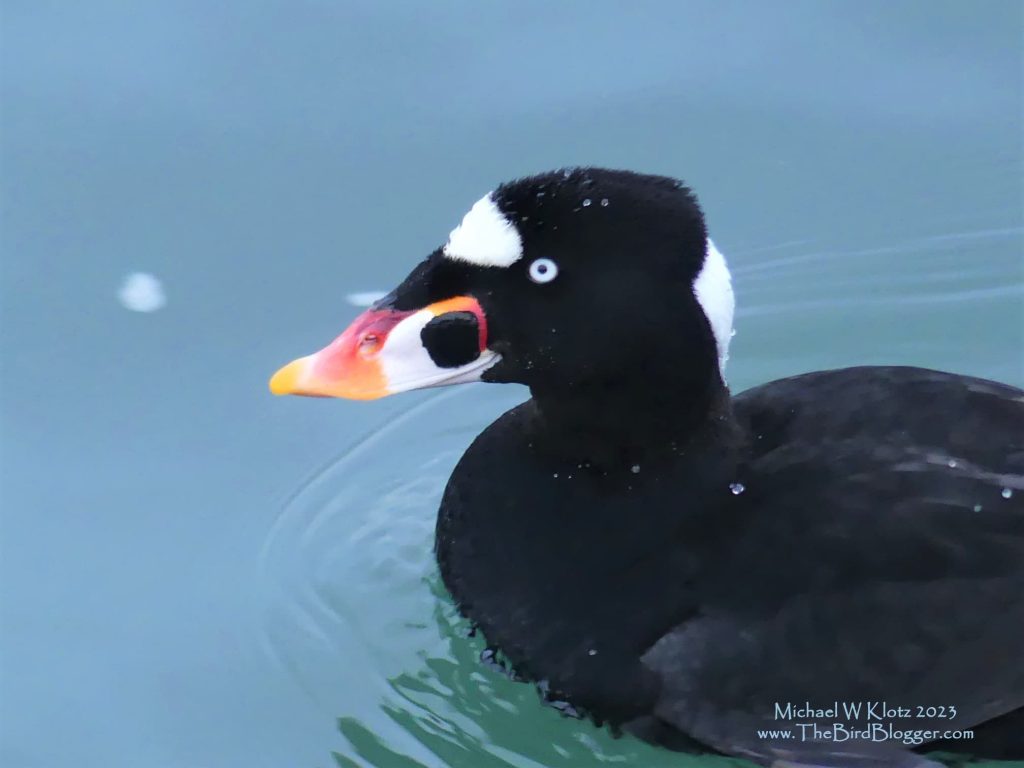
White Rock is south and very close to the USA border crossing at Blaine. This little suburb of Vancouver is in the rain shadow I mentioned and gives it a wonderful chance of being sunny even if Vancouver is under a blanket of clouds. The pier is a wonderful place to see all sorts of salt water birds as well as grab a great meal. It is recommended to bird in the early morning because it is so busy here in the summer. There can be some fantastic looks at the three types of scoters, grebes, and loons as they will feed in and around the pier if the tide is right.
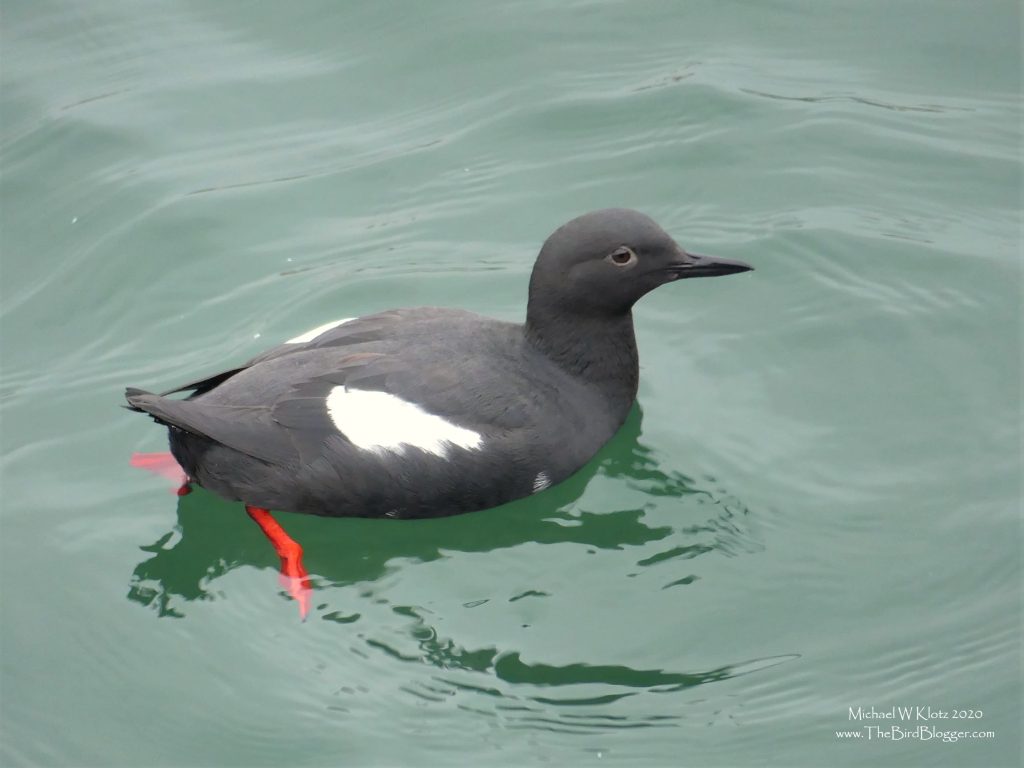
Lighthouse Park requires some walking from the parking to the water. (Hint: the trip back up the hill is the hard part.) Once there, the view is beautiful. Birds seen here are Marbled Murrelet, Pigeon Guillemot, Black Oystercatcher and the beautiful Harlequin Duck. If you are going to spend any amount of time here, head to one of the islands that have to be reached by ferry. These can be some of the best birding opportunities for seeing the oceanic birds as BC Ferries has a fantastic view from most of the car decks. If you get there early enough, the ferry jetty in Tsawwassen is also a fantastic place to see shorebirds and bay ducks from.
The Journey
These are just some of the highlights from our wonderful city, but Vancouver is full of fantastic locations to bird and it is extremely difficult to hit all of these places, even if you have a week. We would be happy to take you on a tour, curated to your needs whether listing or photographing the birds of Great Vancouver. Go to the 10000BirdTours.com site and click on find a tour and type in Vancouver .. or, just click here!
The Finish
Vancouver should be noted in the travel guides as “Beauty and the Birds. The beautifully green city, back-dropped by the snow-capped mountains and the sounds of birds in every tree-filled corner. Plan on spending a week at least if you want to catch all that Vancouver has to offer. Once you have been to the Left Coast, you will want to stay. It happened to us.
Happy Birding!
Mike