From Hotspots to Lifers: How We Plan a Birding Trip Using eBird
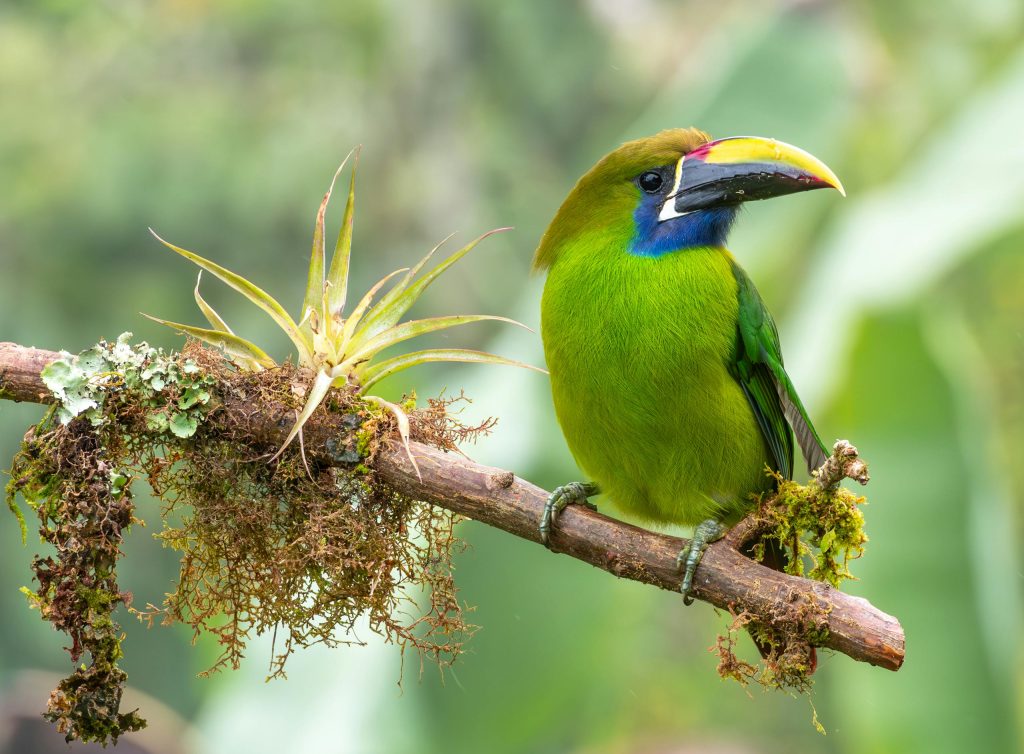
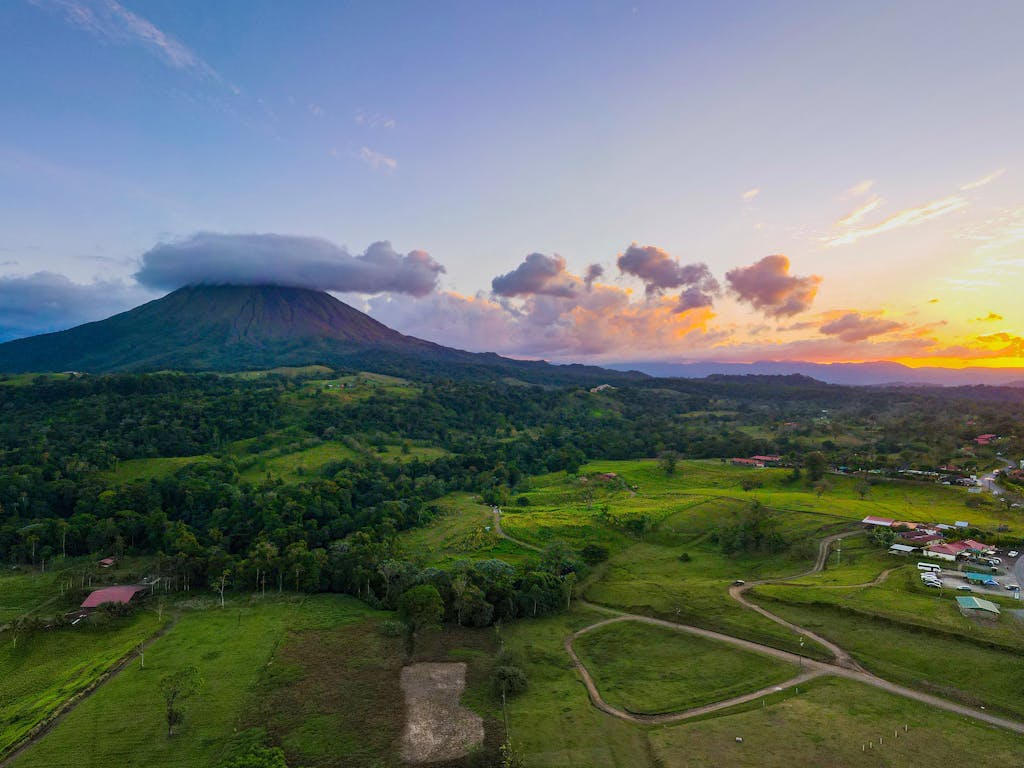
Next week we’re heading to Costa Rica for a birding adventure, and before we even pack our binoculars, there’s one tool we always turn to first: eBird.
For many birders, eBird is where we log our sightings. But when it comes to planning a trip, it’s also one of the most powerful birding tools available.
Here’s exactly how we use it when preparing for a destination like Costa Rica.
1. Finding the Best Birding Hotspots
One of the first things we do is explore the Hotspots feature on eBird.
Hotspots are birding locations where lots of birders regularly submit checklists. Because of that, they become incredibly valuable for trip planning — you can quickly see which areas consistently produce birds.
For Costa Rica, that means looking at well-known hotspots such as:
- Monteverde Cloud Forest Reserve
- La Selva Biological Station
- Carara National Park
By browsing hotspots on the map, we can start building a rough route and see which areas are worth prioritizing.
Sometimes we also discover lesser-known locations that have excellent recent bird activity.
2. Checking Recent Sightings
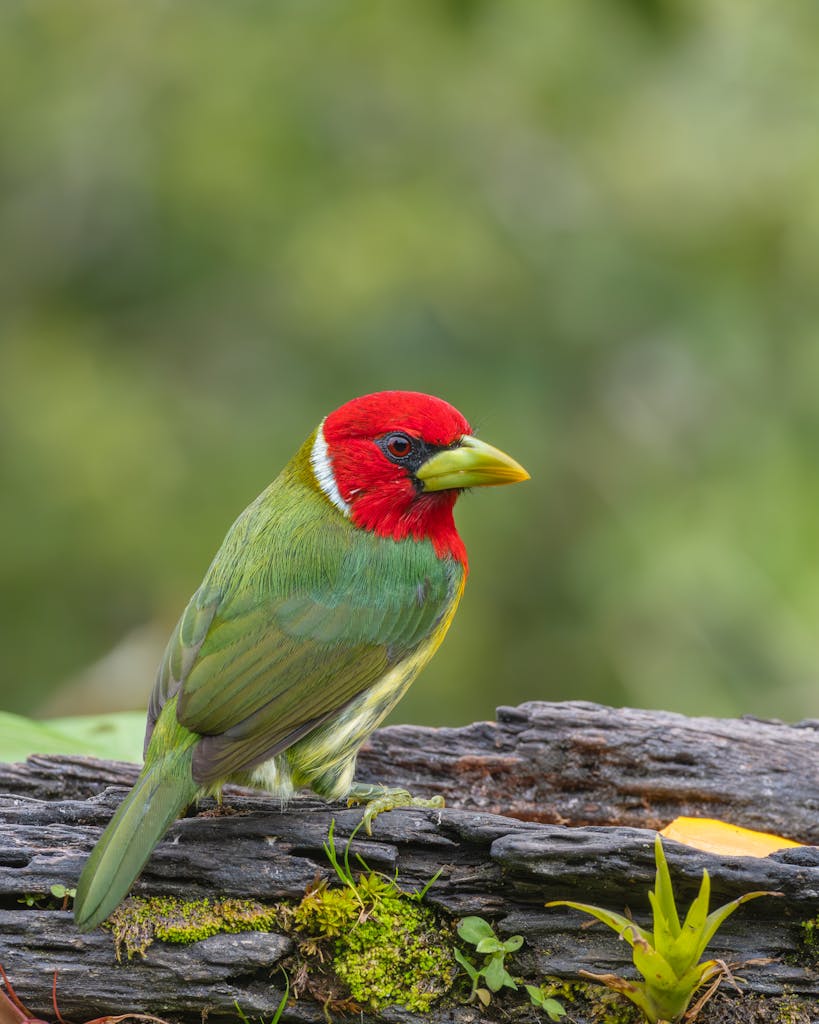
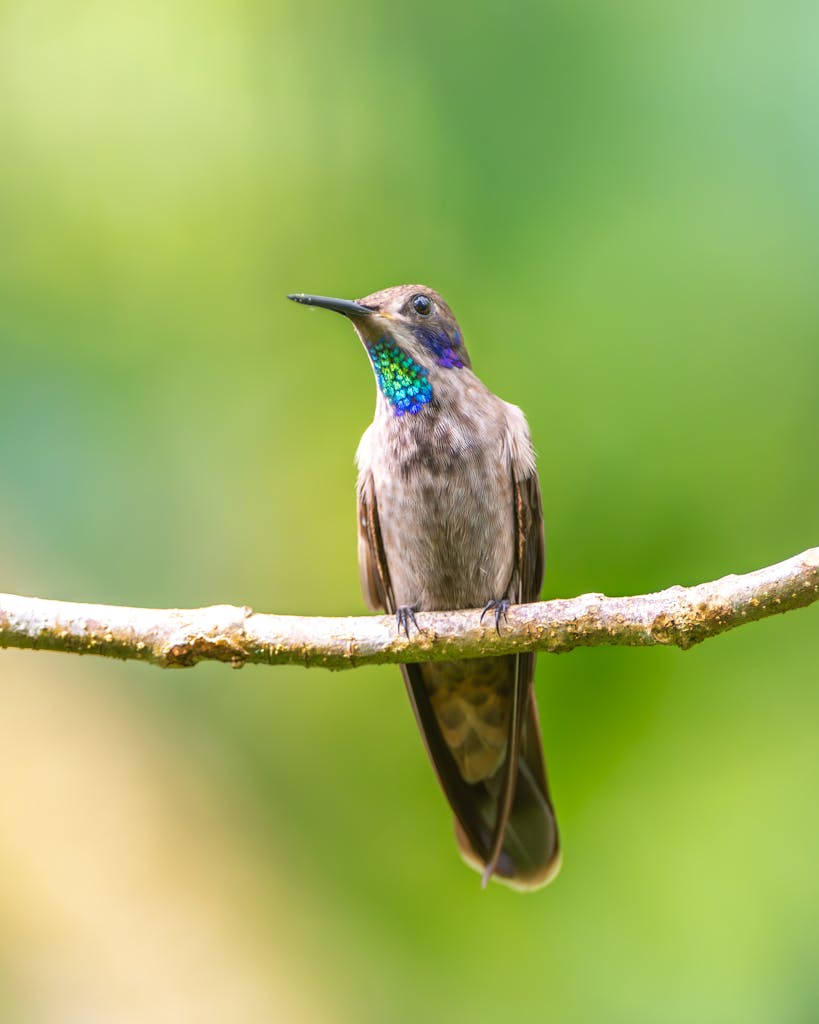
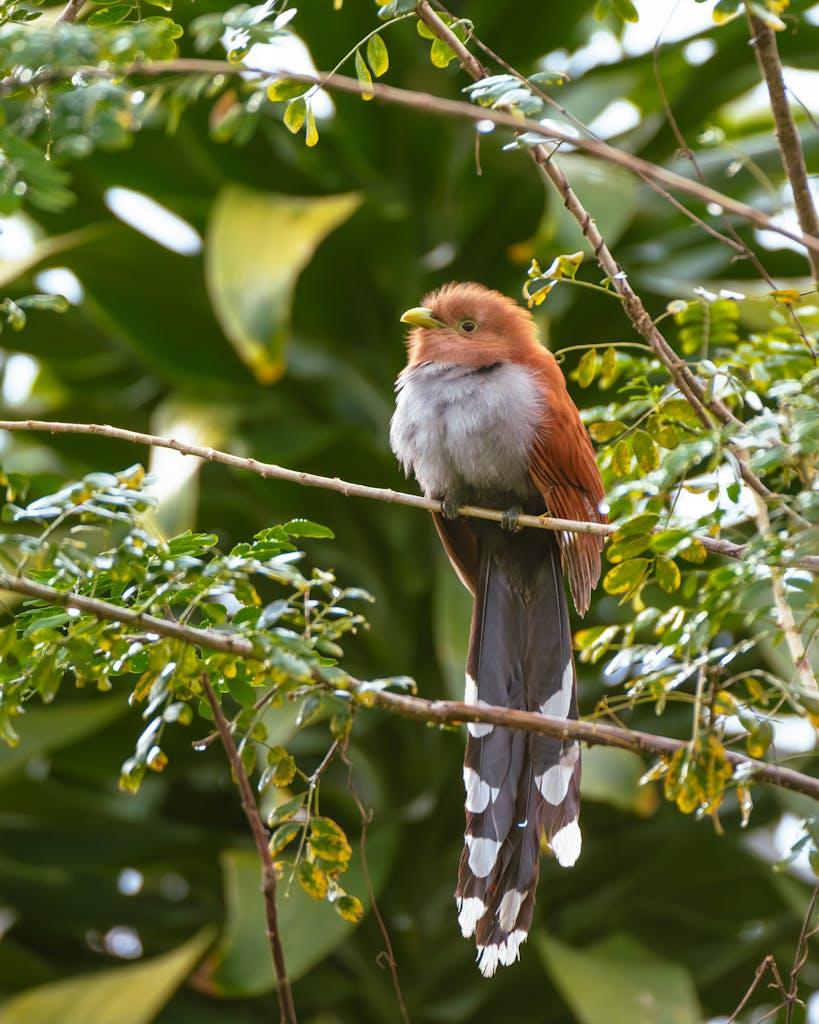
Once we’ve identified hotspots, we dig into recent checklists.
This is where things get exciting.
Recent sightings show us what birders have actually been seeing in the last few days or weeks. It’s the closest thing birders have to real-time intel.
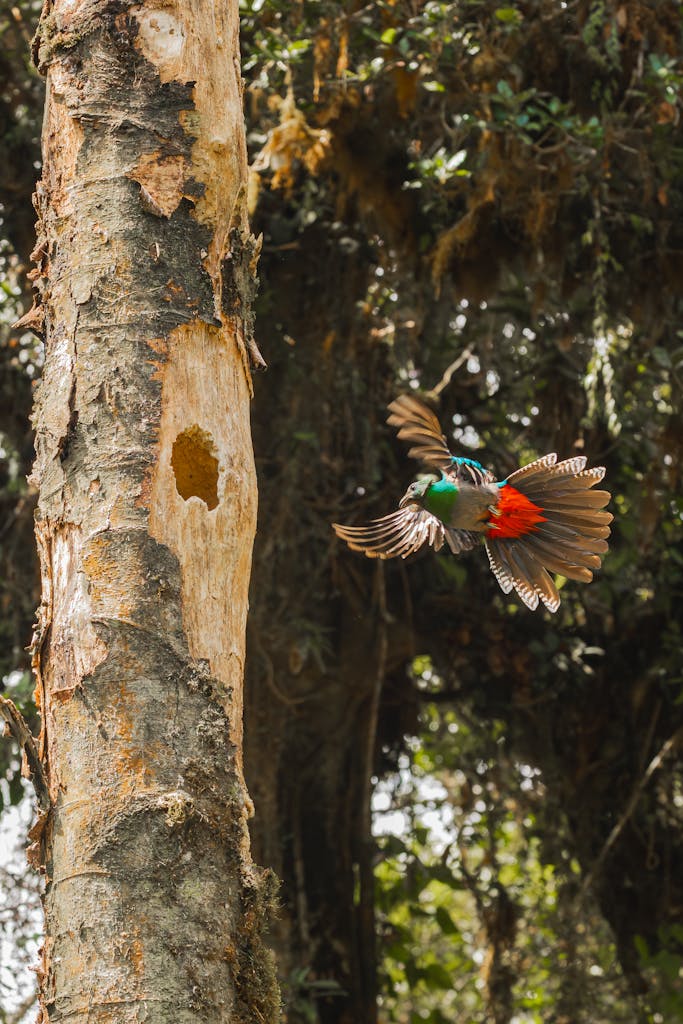
For example, if several recent checklists mention a species like the:
- Resplendent Quetzal
- Scarlet Macaw
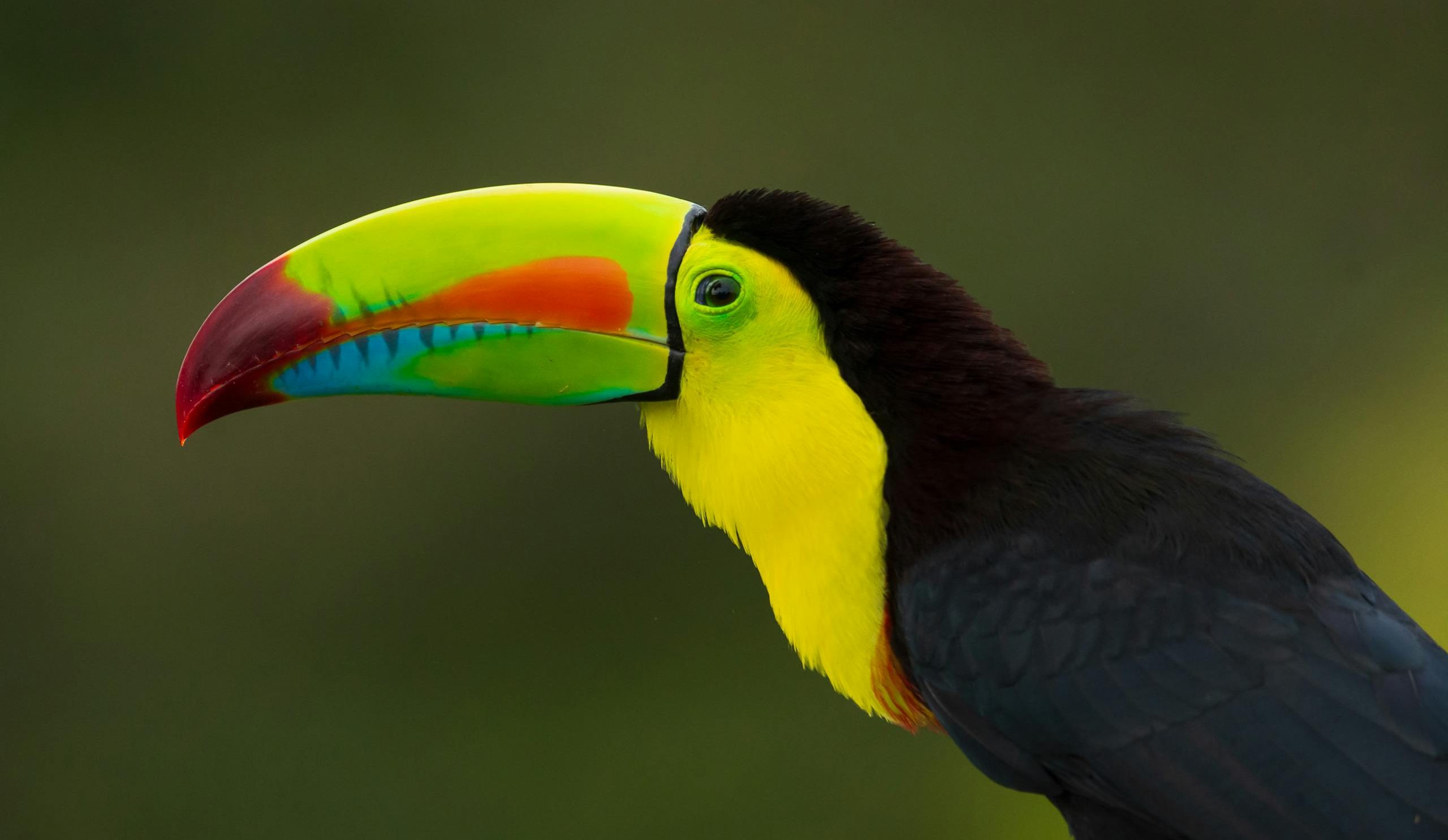
- Keel-billed Toucan
…we know there’s a good chance we might encounter it too.
It also helps us decide when to visit certain locations and which trails or habitats birders are focusing on.
3. Using Species Maps to Understand Distribution
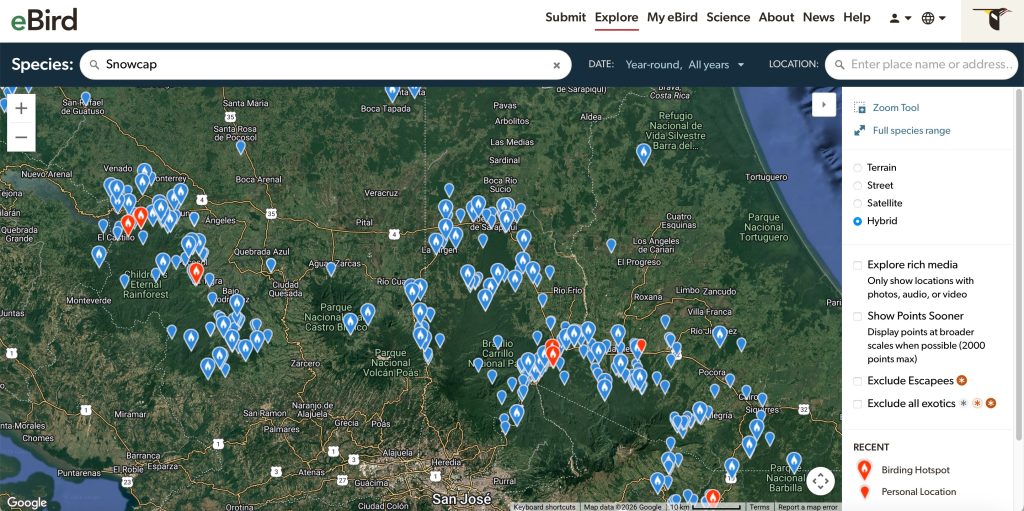
Another feature we love is the Species Map.
This allows us to select any bird and see where it has been reported across the country.
If a bird we’re hoping to see appears consistently in a particular region or elevation zone, that’s a strong signal that we should include that area in our itinerary.
Sometimes this helps us fine-tune plans like:
- Choosing cloud forest vs lowland rainforest
- Adding a stop near wetlands or mangroves
- Spending an extra morning in a specific reserve
It’s a fantastic way to match habitat with target species.
4. Checking Our Own Life Lists
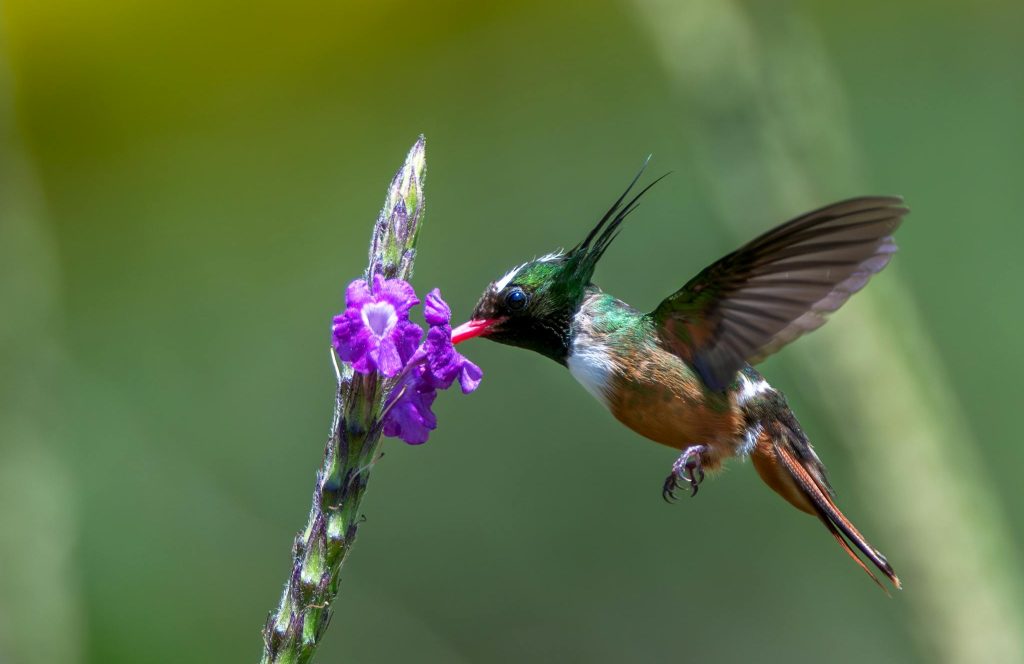
Before any birding trip, we also like to pull up our personal life lists inside eBird.
This helps us quickly see which species we’ve already recorded and — more importantly — which ones would be new for us in Costa Rica.
Then we cross-reference those birds with hotspots and recent sightings.
Suddenly the trip becomes a bit of a treasure hunt.
Instead of wandering randomly, we have a shortlist of species that we’re especially excited to look for.
5. Turning Data into an Itinerary
By combining:
- Hotspots
- Recent checklists
- Species maps
- Our own life lists
…we can start shaping a birding itinerary that’s both strategic and flexible.
eBird essentially gives us a window into what’s happening in the field right now, and that kind of information is incredibly valuable when you’re traveling somewhere with hundreds of possible species.
In a country like Costa Rica, where there are over 900 bird species, that little bit of insight can make a big difference.
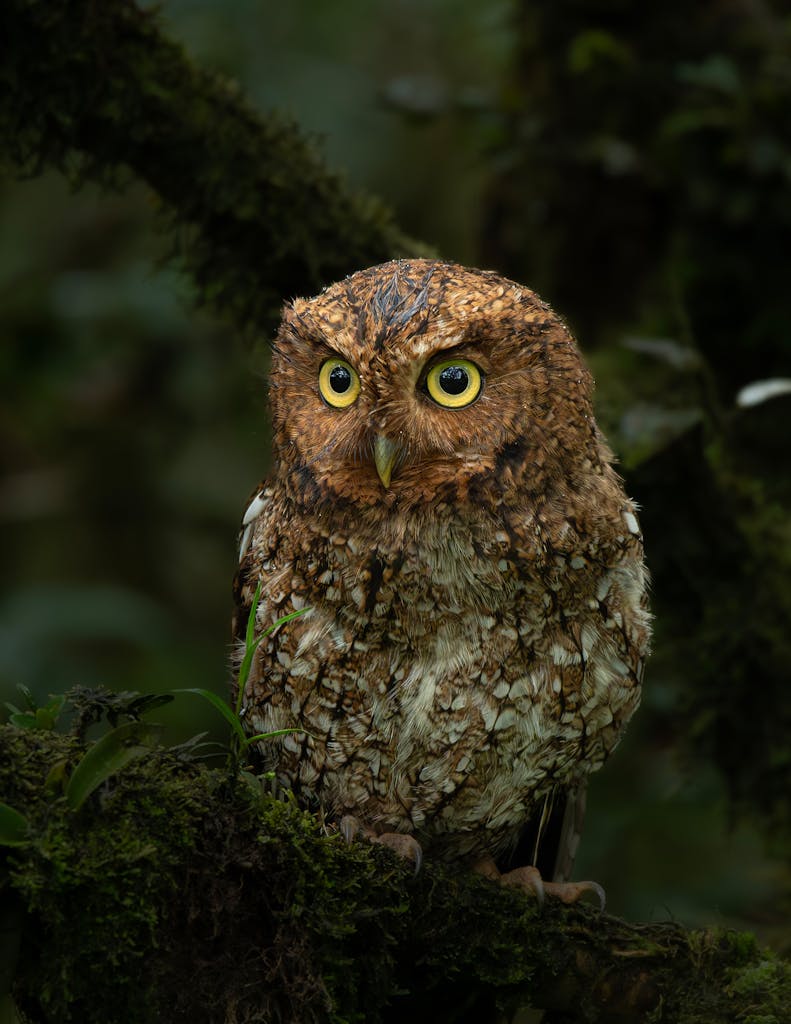
Follow Along on Our Costa Rica Trip
We’ll be sharing birds, hotspots, and field updates from Costa Rica over the next couple of weeks.
Instagram – @10000BirdTours
Facebook – @10000BirdTours
If you use eBird too, keep an eye out — you might see our checklists popping up along the way!
And who knows… maybe we’ll add a few new lifers to the list.
As we finish planning and start packing for Costa Rica, it’s exciting to think about all the birds that might be waiting for us. Tools like eBird make it easier than ever to turn birding dreams into real itineraries. And if you’re thinking about planning a birding trip of your own, that’s exactly why we created 10000 Bird Tours — to help birders discover incredible destinations, connect with expert guides, and make those once-in-a-lifetime sightings happen.
Happy Birding!