
Owls Of The Americas
The Lure of Owls in the Americas
Owls have long captured the imagination of people across the Americas. Their haunting calls pierce the stillness of night. Their eyes seem to hold ancient secrets. Many birders are drawn to their silent flight and mysterious behavior. From the Arctic tundra to South American rain forests, owls enchant everyone who seeks them. Their quiet strength and hidden presence make them icons of the wilderness.
Owls in American History and Culture
In Indigenous traditions of North and South America, owls often symbolize wisdom, change, or spiritual messages. Some tribes viewed them as protectors, while others saw them as harbingers of transformation. In Meso-american cultures, owls appeared in art and myth as messengers between worlds. Early European settlers brought legends that linked owls to mystery and learning. Today, owls continue to inspire stories, art, and conservation efforts.
Where Owls Live Across the Americas
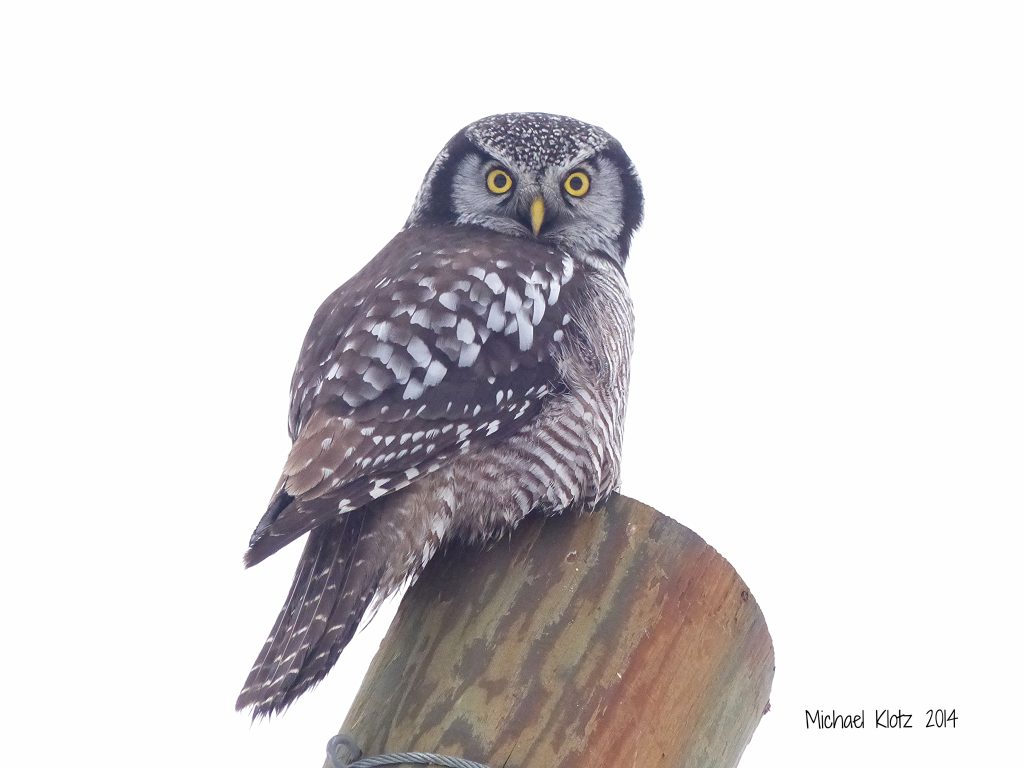
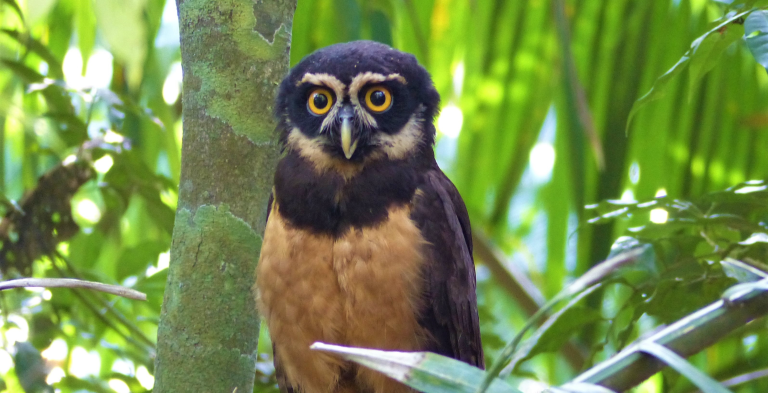
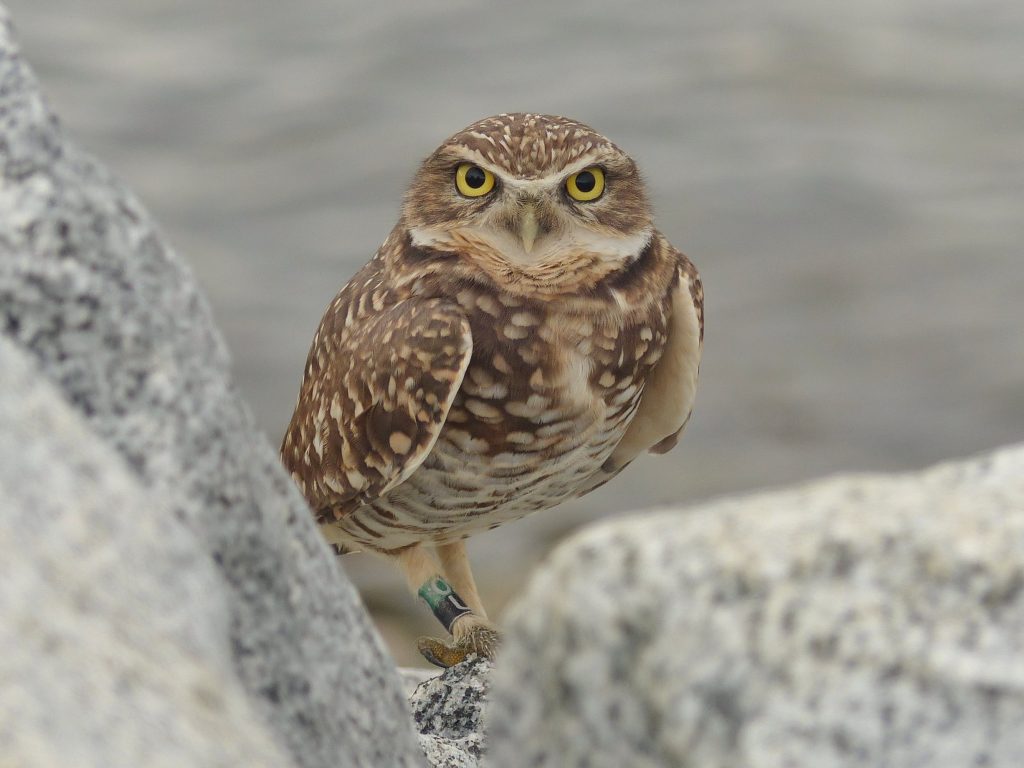
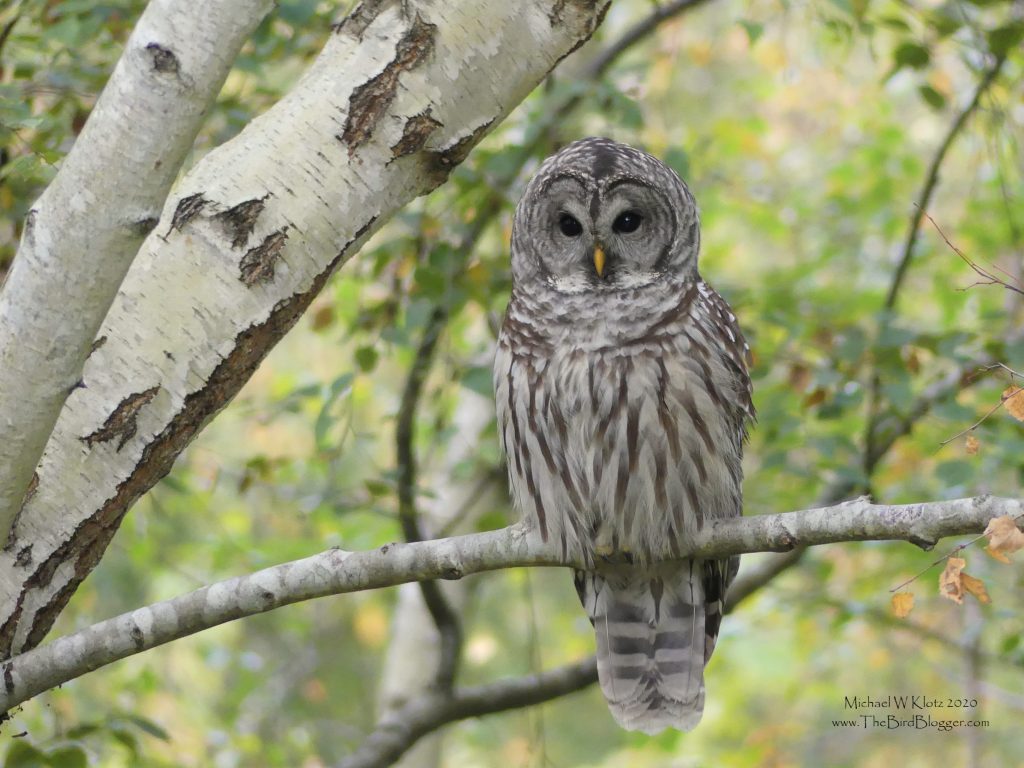
Owls inhabit every landscape across the Western Hemisphere. The Great Horned Owl, powerful and adaptable, ranges from Canada to Patagonia. The Northern Hawk Owl, the only member in its genus, in the Boreal forests of North America. The tiny Elf Owl thrives in the deserts of the American Southwest. In the forests of the Pacific Northwest, Barred Owls call from mossy trees. Burrowing Owls live in open grasslands, nesting underground with prairie dogs. The Spectacled Owl and Crested Owl haunt tropical rain forests in Central and South America. Wherever there is prey and shelter, an owl can thrive.
Diurnal vs. Nocturnal Owls
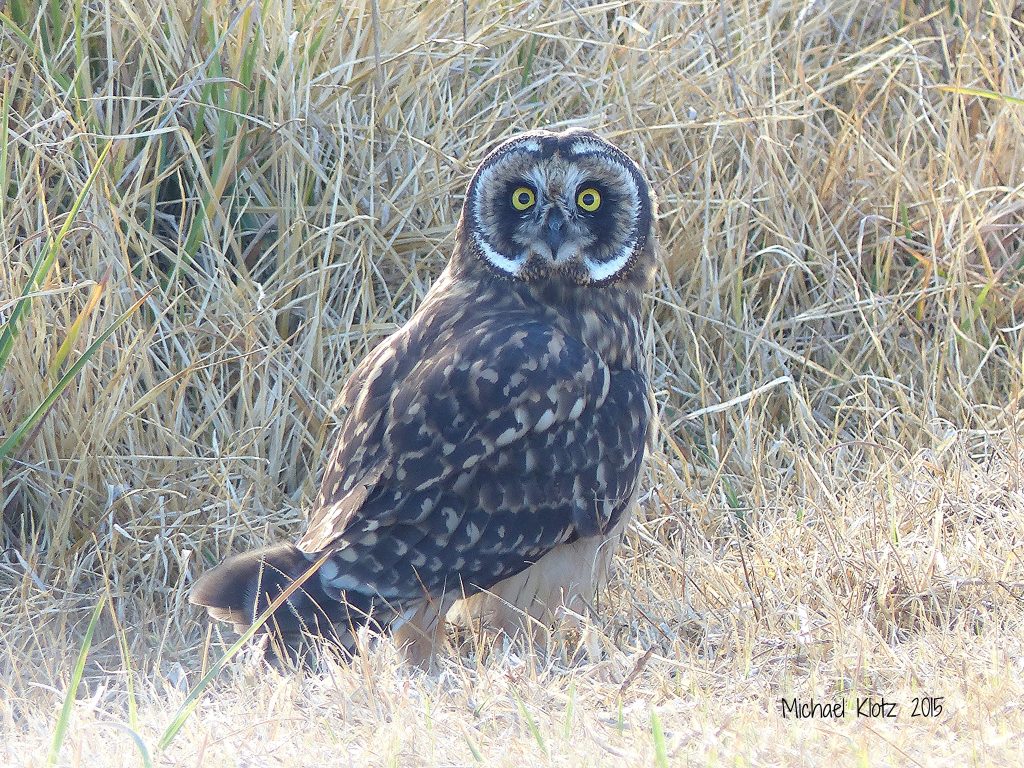
Most owls of the Americas are nocturnal, hunting under moonlight with keen eyes and sharp hearing. Their flight is nearly silent, giving them a stealth advantage. Yet, not all owls wait for nightfall. The Burrowing Owl hunts by day, often seen perched on fence posts. The Northern Hawk Owl also prefers daylight, scanning snowy fields for movement. This variety of behavior shows how well owls adapt to different habitats and prey.
Fun Facts About Owls of the Americas
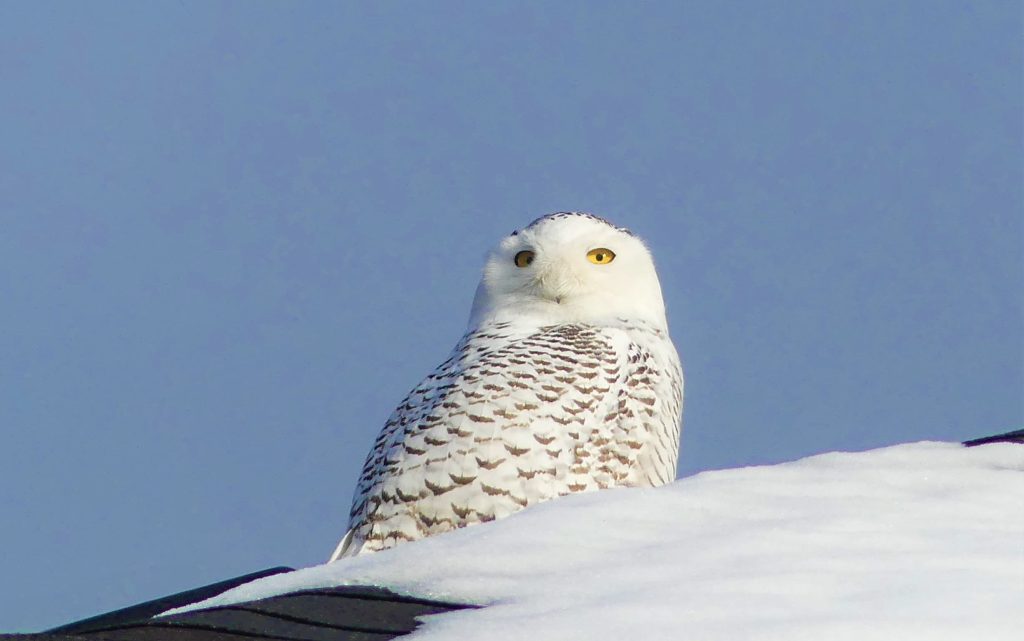
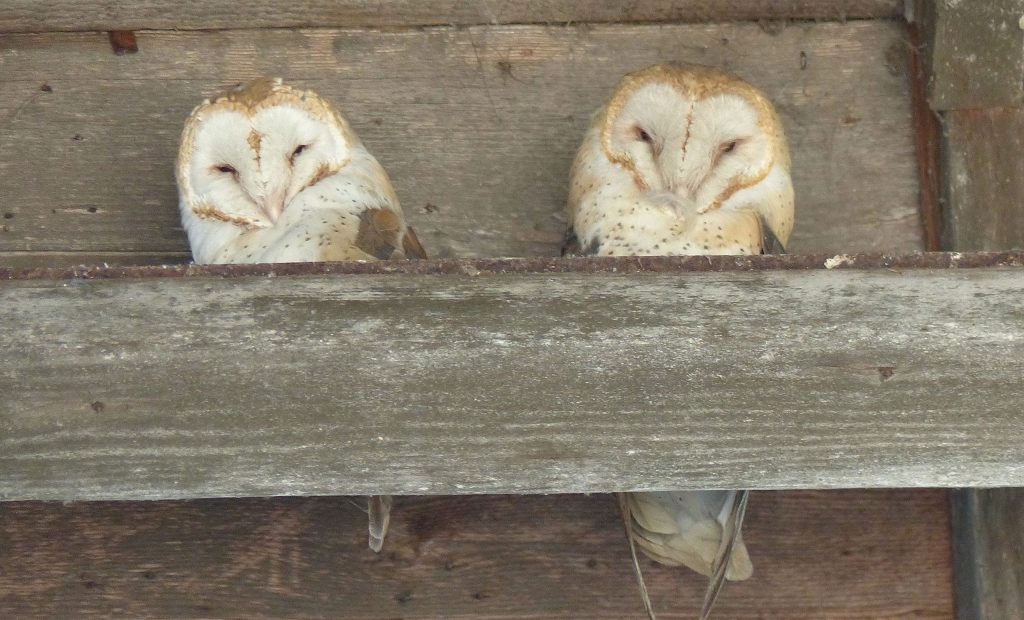
Owls can rotate their heads up to 270 degrees without injury. Their eyes are fixed in place, forcing them to turn their heads to see. The Barn Owl’s heart-shaped face helps funnel sound toward its sensitive ears. Snowy Owls migrate south during harsh Arctic winters, sometimes reaching the northern United States. A group of owls is called a “parliament,” a fitting name for such regal birds. Each species has its own unique call, used for territory or courtship.
Where to Find Owl Tours in the Americas
Owl tours are popular across North and South America. In the United States, winter owl tours in Minnesota and Montana draw birders from around the world. California and Oregon offer guided night hikes to spot Barn and Great Horned owls. Canada’s boreal forests are home to Northern Hawk owls and Boreal Owls. In Costa Rica, eco-lodges host evening walks to find Spectacled and Black-and-white Owls. Brazil’s Pantanal region offers sightings of tropical species near wetlands. Always choose responsible tours that protect nesting areas and avoid stress to the birds.
Whether you’re encountering your first Great Horned Owl on a quiet evening walk or traveling to see the dazzling diversity of tropical species father south, the owls of the Americas offer endless opportunities for wonder. Their haunting calls, secretive habits, and unmatched adaptations remind us just how rich and varied our continent’s wildlife truly is. If you’re dreaming of an owl-focused adventure or hoping to add a few new species to your life list, our team at 10000 Bird Tours is here to help you plan the perfect trip – responsible, memorable, and tailored to your love of these extraordinary nighttime hunters.
happy birding!