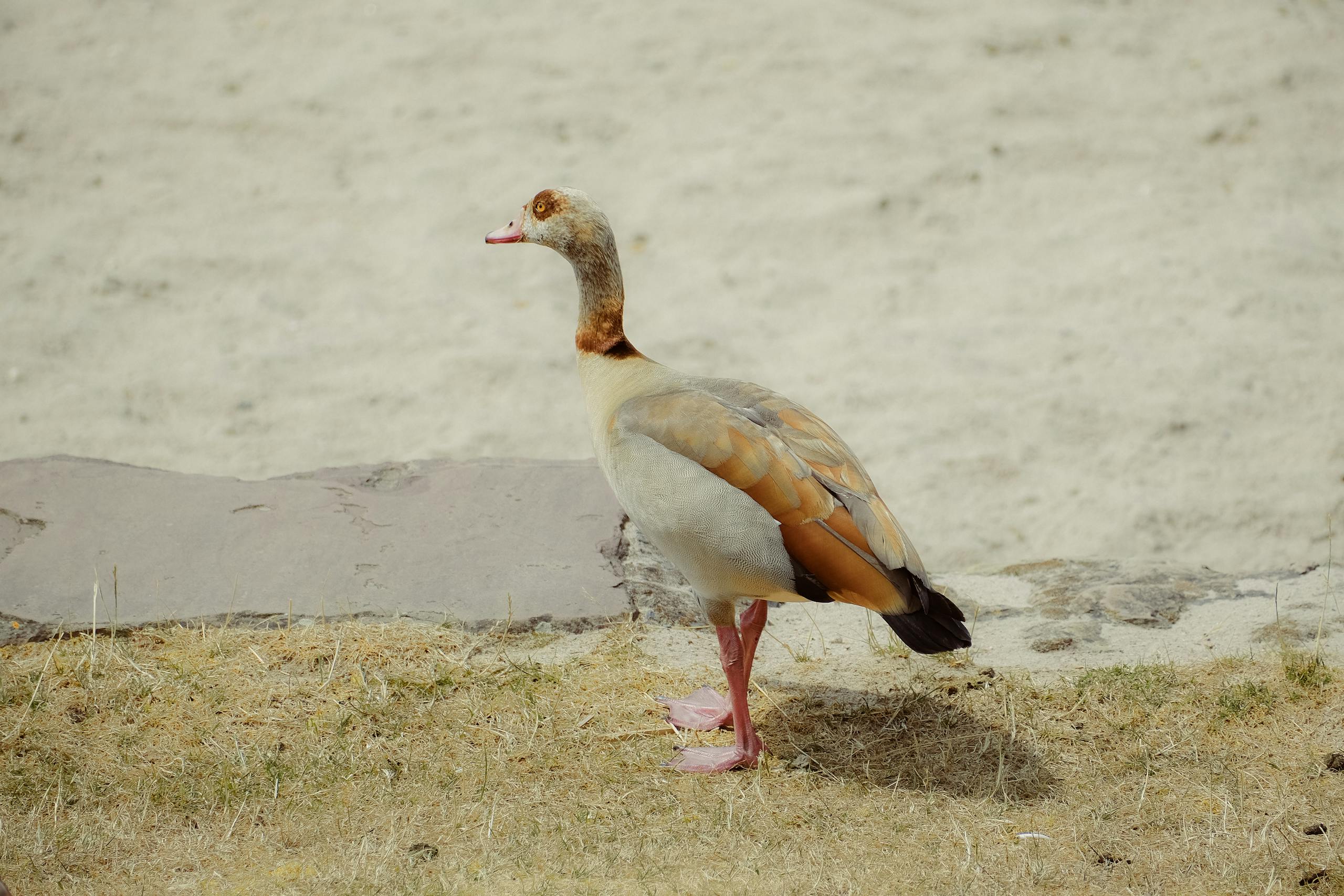
Birding at the Beach: A Coastal Adventure
The Intro The beach is often associated with relaxation and recreation, but for bird enthusiasts, it offers a unique opportunity to observe a variety of avian species in their natural coastal habitats. Beaches, marshes, and dunes provide essential ecosystems for shorebirds, seabirds, and migratory species. From the elegant flight of terns to the playful antics of sandpipers, birding at the beach is both a serene and exciting experience. The combination of salt air, crashing waves, and diverse birdlife makes it a favorite destination for nature lovers.
Common Coastal Birds Beaches host a wide range of bird species, each adapted to the coastal environment. Among the most common are:
- Sandpipers and Plovers: These small, quick-moving birds are often seen darting along the shore, probing the sand for insects and small crustaceans.
- Seagulls: A familiar sight, seagulls are opportunistic feeders, known for their loud calls and ability to scavenge a variety of food.
- Terns: Graceful and agile, terns can be spotted diving into the water to catch fish, their sharp cries echoing over the waves.
- Pelicans: Known for their impressive beak pouches, pelicans glide effortlessly above the water before plunging in for their next meal.
- Herons and Egrets: These tall, wading birds are often seen standing still in shallow waters, waiting patiently to strike at fish.
Migratory species also frequent beaches during their long journeys. Birds like the red knot, which travels thousands of miles, depend on coastal habitats to rest and refuel.
Adapting to Life by the Shore Birds that inhabit beaches have developed remarkable adaptations to thrive in this environment. Their behaviors and physical characteristics reflect their coastal lifestyles:
- Feeding Strategies: Many shorebirds have specialized beaks for probing the sand or catching fish. For example, oystercatchers use their strong, sharp bills to open shellfish.
- Camouflage: The plumage of sandpipers and plovers blends seamlessly with the sandy landscape, providing protection from predators.
- Migration: Beaches are critical stopover points for migratory birds, offering food and shelter during their arduous journeys.
These adaptations ensure that coastal birds not only survive but thrive in their ever-changing environment.
Birding Tips for the Beach For a successful birding adventure at the beach, keep these tips in mind:
- Bring the Right Gear: Binoculars, a spotting scope, and a bird guidebook specific to coastal species are essential tools.
- Check the Tides: Low tide often exposes mudflats where shorebirds feed, offering better viewing opportunities.
- Stay Quiet and Observant: Birds are easily disturbed, so move slowly and avoid loud noises to keep them at ease.
- Wear Neutral Clothing: Camouflage helps you blend into the environment, making it easier to get closer to the birds.
- Protect Yourself: Sunscreen, a hat, and plenty of water are necessary for a comfortable day under the sun.
The Role of Beaches in Bird Conservation Beaches are more than just scenic destinations; they are vital habitats for many bird species. Unfortunately, coastal ecosystems face threats from human activities such as development, pollution, and climate change. Protecting these environments is crucial for the survival of both resident and migratory birds.
Conservation efforts include:
- Establishing protected areas and bird sanctuaries.
- Educating the public about responsible beach use, such as avoiding nesting sites and reducing litter.
- Supporting organizations dedicated to coastal conservation and bird protection.
By respecting these habitats, we can ensure that future generations of birds and birdwatchers alike can enjoy the beauty of coastal ecosystems.
The Finish Birding at the beach offers a unique blend of relaxation and discovery. The rhythmic sound of waves, the salty breeze, and the sight of diverse bird species make every visit unforgettable. Whether you’re an experienced birder or just starting out, the beach provides an accessible and rewarding way to connect with nature. So next time you head to the coast, bring your binoculars and keep an eye out for the fascinating avian life that calls the shore home.